

poodle for sale


Original price was: $1,200.00.$1,000.00Current price is: $1,000.00.
BREED: POODLE
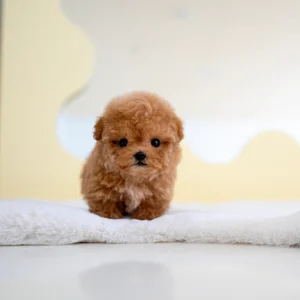
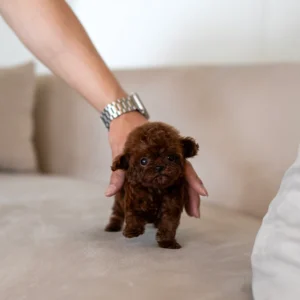
NAME: MAPLE
SEX: MALE
COLOR: CREAM PARTY
AGE: 3MONTHS
If you want this teacup puppies, please contact us.
You send us a picture of puppy, we will let you know if it is available now and about the puppy.
Poodle Puppy Maple – Adorable Poodle Puppy for Sale
Finding the right puppy is about more than choosing an adorable face. A Poodle can be an intelligent, affectionate, active companion that becomes deeply involved in family life, but the breed also comes with real responsibilities, particularly around grooming, training, exercise, nutrition, and veterinary care.
Poodle Puppy Maple is presented for families and individuals searching for a loving Poodle companion with the distinctive qualities that make the breed so popular. Whether you are a first-time dog owner or already understand life with a Poodle, Maple deserves a home prepared to provide consistent care, positive training, regular grooming, and plenty of companionship.
In this guide, you will learn what makes Poodles such desirable companions, what to consider before bringing Maple home, how to approach grooming and training, what questions responsible buyers should ask, and how to prepare your home for a new Poodle puppy.
Poodle Puppy Maple at a Glance
- Name: Maple
- Breed: Poodle
- Type: Poodle Puppy
- Temperament: Intelligent, active, people-oriented and trainable
- Coat: Curly Poodle coat requiring regular grooming
- Best for: Families, couples, individuals and active households
- Training: Positive, consistent training is recommended
- Exercise: Daily physical activity and mental stimulation
- Grooming: Regular brushing and professional or home grooming
- Lifestyle: Best suited to owners who can provide companionship, structure and attention
Individual details such as age, sex, size, current weight, vaccination status, microchip information, registration and health records should always be confirmed before purchase.
What Is a Poodle Puppy Like?
A Poodle puppy is an intelligent, active and highly trainable companion known for its curly, low-shedding coat and people-oriented personality. Poodles come in Toy, Miniature and Standard sizes and generally need regular grooming, daily exercise, mental stimulation and consistent positive training to thrive in a family home.
Meet Maple – A Poodle Puppy Ready for the Right Home
There is something special about bringing a Poodle puppy into your life. Their intelligence makes them engaging to train, their expressive personalities make them entertaining companions, and their distinctive coat gives them an unmistakable appearance.
Maple is a Poodle puppy for families looking for more than a beautiful dog. The goal should be to find a companion whose needs fit naturally with your lifestyle.
Poodles are active and intelligent dogs. The American Kennel Club describes them as highly intelligent, people-oriented and responsive to consistent, positive training. They also tend to enjoy activities that challenge both their bodies and minds.
That combination is one of the biggest reasons Poodles remain such popular companion dogs.
However, intelligence should not be confused with low maintenance. A clever puppy needs something constructive to do. Without enough exercise, attention and mental stimulation, a young Poodle can become bored and find its own ways to stay occupied.
That is why choosing Maple should also mean being prepared for responsible puppy ownership.
Why Choose a Poodle Puppy?
Poodles have earned a reputation for being elegant dogs, but their appeal goes far beyond appearance.
The breed is known for intelligence, athleticism and trainability. Historically, Poodles were developed as water retrievers, and their love of activity remains an important part of their character. Fetch, walking, swimming, obedience exercises and other interactive activities can provide excellent outlets for their energy.
Intelligent and Trainable
One of the greatest advantages of a Poodle is its ability to learn.
Poodle puppies can respond well to positive reinforcement, repetition and clear boundaries. Training can include basic commands such as:
- Sit
- Stay
- Come
- Leave it
- Down
- Place
- Walking politely on a leash
Early training is also an opportunity to teach good household habits.
Rather than waiting until unwanted behavior develops, owners can begin establishing routines from the beginning.
People-Oriented Companions
Poodles are generally people-oriented dogs and often enjoy being involved in what their owners are doing.
That makes them appealing to people who want an interactive companion rather than a dog that spends most of its time independently.
Maple can become part of everyday family life through walks, play sessions, training, grooming and quiet time together.
Low-Shedding Does Not Mean Low-Maintenance
This is an important distinction for anyone searching for a Poodle puppy.
Poodles are known for their relatively low-shedding coats, which can be attractive to owners who prefer less loose hair around the home. However, their coat requires consistent maintenance.
In other words:
Less shedding does not mean less grooming.
A Poodle’s coat can mat when it is not brushed and maintained properly. Owners should therefore be prepared for routine brushing and regular professional grooming or learn appropriate grooming techniques themselves.
Understanding Maple’s Poodle Coat
The Poodle coat is one of the breed’s most recognizable features.
It is curly, dense and capable of continuing to grow rather than simply shedding seasonally like many dog coats. This means grooming should become part of Maple’s normal routine from puppyhood.
How Often Should a Poodle Puppy Be Groomed?
The exact schedule depends on coat length, lifestyle and grooming style.
Owners who keep the coat relatively short generally have an easier maintenance routine. Those who prefer a longer coat should expect significantly more brushing and coat care.
The American Kennel Club notes that owners keeping a Poodle’s coat longer may need to brush daily to prevent mats, while many owners choose professional grooming approximately every four to six weeks.
Puppy grooming should also be introduced gradually.
Short, positive grooming sessions can help Maple become comfortable with:
- Brushing
- Handling the paws
- Ear checks
- Nail care
- Bathing
- Clippers and grooming equipment
- Being handled around the face
This early exposure can make future professional grooming much easier.
How to Care for Poodle Puppy Maple
Responsible puppy ownership starts with the basics.
1. Provide Appropriate Nutrition
Maple should receive a complete and balanced puppy diet appropriate for her size, age and activity level.
Avoid making major dietary changes suddenly. If Maple is already eating a particular food, ask the breeder or current caregiver what she has been eating and discuss any transition with your veterinarian.
Treats can be useful during training, but they should remain a small part of the overall diet.
A veterinarian can help determine the appropriate feeding amount as Maple grows.
2. Establish a Consistent Routine
Puppies generally benefit from predictable routines.
Try to keep regular times for:
- Meals
- Potty breaks
- Exercise
- Training
- Rest
- Grooming
- Bedtime
Consistency makes it easier for a puppy to understand what is expected.
3. Prioritize Sleep and Rest
Puppies do not need constant activity.
Young dogs require plenty of rest while they develop. A quiet, comfortable sleeping area gives Maple a place to relax when she is tired or overstimulated.
A common mistake among new puppy owners is assuming that a tired puppy simply needs more exercise. Sometimes the better solution is a nap.
Training Poodle Puppy Maple
Poodles are particularly well suited to training because of their intelligence and willingness to engage with people. The AKC recommends consistent, positive training methods and notes that Poodles can excel in activities including obedience, agility and tracking.
Start With the Basics
A simple puppy training framework is:
Week 1–2: Foundation
Focus on:
- Name recognition
- Potty routine
- Gentle handling
- Basic recall
- Reward-based attention
Week 3–4: Household Manners
Introduce:
- Sit
- Down
- Leave it
- Leash walking
- Appropriate chewing
- Calm greetings
Ongoing: Socialization and Confidence
Gradually expose Maple to suitable people, sounds, surfaces, environments and other appropriately vaccinated dogs, while keeping experiences positive and age-appropriate.
The objective isn’t to overwhelm a puppy with stimulation. Good socialization is about helping the puppy learn that new experiences can be safe and manageable.
Exercise and Mental Stimulation
A Poodle is not generally a breed that thrives on a sedentary lifestyle.
Poodles of all sizes are active dogs that benefit from regular exercise and mental stimulation. Activities can include walks, interactive games, retrieving toys, training exercises and other age-appropriate activities.
For Maple, exercise should be appropriate for her age and physical development.
Avoid treating a young puppy like an adult athlete. Instead, combine short periods of physical activity with training, exploration, play and rest.
Mental Stimulation Matters Too
Because Poodles are intelligent, simply walking them may not always be enough.
Try activities such as:
- Puzzle toys
- Basic obedience exercises
- Find-the-treat games
- Short recall sessions
- Interactive play
- Learning new commands
- Appropriate scent games
Five minutes of focused training can be surprisingly valuable for a young Poodle.
Is a Poodle Puppy Good for Families?
A Poodle can be an excellent family companion when the household understands the breed’s needs.
The AKC describes Poodles as people-oriented and notes that they can adapt well to different environments. However, individual temperament varies, and children should always be supervised around dogs.
If Maple will live with children, teach children how to interact respectfully with a puppy.
That means no pulling ears or tails, climbing on the puppy, disturbing her while eating or sleeping, or taking toys away unnecessarily.
A puppy also needs a private space where she can retreat when she wants to rest.
Poodle Puppy Maple: Pros and Cons
Before buying any puppy, it is worth considering both the advantages and responsibilities.
Pros
- Highly intelligent and trainable
- People-oriented personality
- Active and playful
- Distinctive curly coat
- Relatively low shedding
- Can participate in many activities
- Suitable for different household lifestyles depending on size and individual needs
- Can become a close family companion
Cons
- Requires regular grooming
- Needs daily exercise and mental stimulation
- Can become bored without sufficient interaction
- Training still requires consistency
- Professional grooming can add to the cost of ownership
- Responsible owners should stay proactive about breed-relevant health screening
The important point is that a Poodle is not automatically the right dog for everyone.
If you want a dog requiring very little grooming, exercise or interaction, a Poodle may not be the best match.
If you want an intelligent companion and are prepared to invest time in training, grooming and daily interaction, the breed can be a rewarding choice.
Poodle Puppy Health: What Responsible Buyers Should Ask
No responsible seller should promise that a puppy will never experience health problems.
Like all dog breeds, Poodles can be affected by inherited and acquired health conditions. The Poodle Club of America publishes health-testing recommendations for Toy, Miniature and Standard Poodles, with testing varying according to the variety.
Depending on the Poodle variety, recommended screening can include areas such as:
- Eye examinations
- Hip evaluation
- Patellar evaluation
- DNA testing for specific inherited conditions
- Thyroid evaluation
- Other breed-specific health assessments
The exact tests relevant to Maple depend on her Poodle variety and breeding background.
Before purchasing, ask for available veterinary and health documentation rather than relying solely on verbal assurances.
Questions to Ask Before Bringing Maple Home
A responsible puppy buyer should ask:
- What is Maple’s exact age and date of birth?
- What Poodle variety is she?
- What is her current weight?
- What vaccinations has she received?
- Has she been dewormed?
- Is she microchipped?
- What veterinary records are available?
- What food is she currently eating?
- What health screening was performed on her parents?
- What health guarantee or documentation accompanies the puppy?
- What is her current temperament like?
- Has she been introduced to grooming and handling?
- What socialization has she received?
- What support is available after purchase?
These questions protect both the buyer and the puppy.
Toy, Miniature or Standard Poodle?
Poodles are commonly recognized in three sizes: Toy, Miniature and Standard. The Poodle Club of America describes Toy Poodles as 10 inches or under at the shoulder, Miniature Poodles as over 10 inches and not over 15 inches, and Standard Poodles as over 15 inches.
| Poodle Variety | General Size | Lifestyle Consideration |
|---|---|---|
| Toy Poodle | 10 inches and under | Small companion suited to owners comfortable with a very small dog |
| Miniature Poodle | Over 10 to 15 inches | Compact but active companion |
| Standard Poodle | Over 15 inches | Larger, athletic dog requiring more physical space and activity |
Maple’s actual size should be confirmed from her individual records rather than assumed from the word “Poodle” alone.
How to Prepare Your Home for Maple
Before bringing a puppy home, prepare the essentials.
Puppy-Safe Space
Create an area where Maple can sleep, rest and feel secure.
Remove or secure hazards such as:
- Electrical cords
- Small objects
- Toxic household products
- Unsafe plants
- Easily swallowed items
- Unsecured medications
- Accessible food that is unsafe for dogs
Essential Supplies
Consider preparing:
- Puppy food
- Food and water bowls
- Comfortable bed
- Collar and identification tag
- Appropriate leash
- Puppy-safe toys
- Crate or safe sleeping area
- Grooming brush
- Puppy shampoo
- Waste bags
- Enzyme cleaner for accidents
- Training treats
- Appropriate chew toys
Having these supplies ready before Maple arrives makes the transition considerably easier.
A Simple First-Week Plan for Maple
Day 1: Keep Things Calm
Avoid overwhelming Maple with visitors.
Give her time to explore her new surroundings gradually.
Days 2–3: Establish Routine
Introduce consistent feeding, potty, sleeping and play schedules.
Start teaching her name using rewards.
Days 4–5: Begin Short Training Sessions
Practice simple commands for a few minutes at a time.
Keep training positive and stop before Maple becomes frustrated.
Days 6–7: Build Confidence
Continue gentle handling, age-appropriate socialization and routine grooming exposure.
By the end of the first week, the goal isn’t to have a perfectly trained puppy.
The goal is to begin building trust and predictable habits.
Why Responsible Poodle Ownership Matters
Buying a puppy should be viewed as a long-term commitment, not an impulse purchase.
The Poodle Club of America emphasizes responsible breeding and health testing as important parts of protecting the future health and well-being of the breed.
For prospective owners, this means looking beyond photographs.
A beautiful puppy is only one part of the decision.
Health records, breeding information, temperament, socialization, veterinary care, documentation and the seller’s willingness to answer questions are all important considerations.
Maple deserves an owner who is prepared for the years of care that come after the initial excitement of bringing a puppy home.
Frequently Asked Questions About Poodle Puppy Maple
1. Is Maple a good Poodle puppy for a first-time dog owner?
A Poodle can be suitable for a first-time owner who is prepared to commit to training, grooming, exercise and regular veterinary care. Poodles are intelligent and trainable, but their intelligence and energy mean they benefit from active, consistent ownership.
2. How much grooming does a Poodle puppy need?
Poodle puppies need regular coat care to prevent tangles and mats. As the coat grows, brushing frequency and professional grooming requirements increase. Owners maintaining a longer coat may need to brush daily, while many owners choose professional grooming every four to six weeks.
3. Do Poodles shed?
Poodles are known for relatively low shedding compared with many other breeds. However, low shedding should not be confused with low maintenance because loose hair can remain within the curly coat and contribute to matting without regular brushing.
4. Are Poodles easy to train?
Generally, yes. Poodles are highly intelligent, people-oriented and responsive to consistent positive training. They can learn obedience skills and participate in activities such as agility and tracking.
5. How much exercise does a Poodle puppy need?
Poodles are active dogs and need regular physical activity and mental stimulation. For a puppy like Maple, exercise should be age-appropriate and balanced with adequate rest. Interactive play, short walks when appropriate, and brief training sessions can provide useful stimulation.
6. What health information should I request before buying Maple?
Ask for Maple’s veterinary records, vaccination and deworming information, microchip details if applicable, and any available health-testing documentation for her parents. Poodle health-testing recommendations vary by Toy, Miniature and Standard variety.
7. What should I look for when buying a Poodle puppy?
Look beyond appearance. Confirm the puppy’s age, health records, veterinary care, parent information, socialization, temperament, Poodle variety and available health documentation. A responsible seller should be willing to answer reasonable questions and provide appropriate records.
2 reviews for poodle for sale
Add a review
Related products
Poodle


Poodle

Poodle
Poodle
Barry Allen –
Fastest delivery ever! The pup was safe, well-fed, and ready to cuddle.
Iris West –
Helpful staff that kept us updated on delivery tracking. The pup is healthy and gorgeous.