
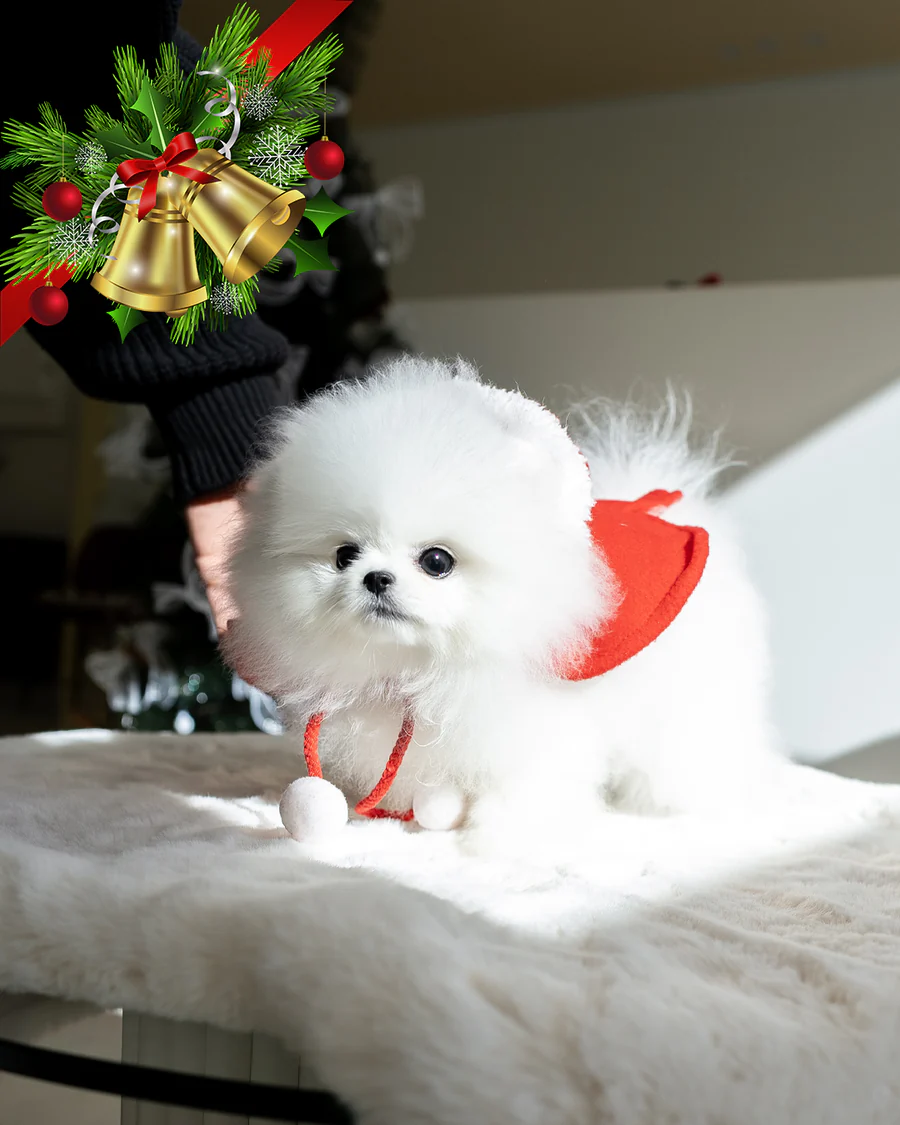

Pomeranian Puppies Coco – Adorable Pomeranian Puppy for Sale
Meet Coco – A Charming Pomeranian Puppy Looking for a Loving Home
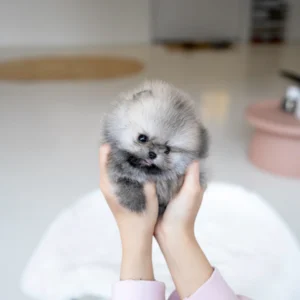
If you’re searching for Pomeranian puppies for sale, meet Coco, an adorable Pomeranian puppy with the distinctive charm and personality that make this toy breed one of the world’s most popular companion dogs.
Pomeranians are small in size but big in personality. Their fluffy double coats, expressive faces, compact bodies, alert nature, intelligence, and affectionate personalities have made them especially popular with families, couples, and individuals looking for a devoted companion.
Pomeranian Puppies Coco is designed for prospective owners who want to learn more before welcoming a Pomeranian into their home. Beyond Coco’s adorable appearance, responsible ownership means understanding grooming, nutrition, exercise, training, socialization, veterinary care, and the long-term commitment involved in raising a dog.
This comprehensive guide explains what makes Pomeranians special, what to consider before buying Coco, how to prepare your home, and how to give a Pomeranian puppy the best possible start.
Featured Snippet: What Is a Pomeranian Puppy?
A Pomeranian is a small toy dog recognized for its abundant double coat, compact body, expressive face, alert personality, and confident temperament. Adult Pomeranians typically weigh 3–7 pounds and stand approximately 6–7 inches tall. They are intelligent, active companion dogs that benefit from regular grooming, positive training, appropriate exercise, socialization, and routine veterinary care.
Why Choose Pomeranian Puppies Coco?
Choosing a puppy is about more than finding the cutest face.
A good match considers the puppy’s breed characteristics alongside the owner’s lifestyle, available time, home environment, budget, and willingness to provide lifelong care.
Coco may be particularly appealing to someone who wants a small companion that can participate in everyday family life.
Small Body, Big Personality
The Pomeranian is a classic example of a dog whose personality is much bigger than its physical size.
Although Pomeranians belong to the Toy Group, they are generally alert, curious, intelligent, and confident. The American Kennel Club describes the breed as inquisitive and lively, and its history can be traced to larger Spitz-type dogs.
This means Coco should not be treated as a decorative pet simply because she is small.
She will need interaction, boundaries, mental stimulation, exercise, and training.
An Instantly Recognizable Appearance
Pomeranians have one of the most recognizable appearances among toy breeds.
Their abundant coat, small compact body, plumed tail, alert expression, and characteristic neck ruff create the fluffy look people associate with the breed.
The official American Kennel Club breed standard emphasizes the Pomeranian’s compact structure, abundant double coat, short back, and distinctive tail carriage.
For people searching for a fluffy Pomeranian puppy, these characteristics are often a major part of the breed’s appeal.
Pomeranian Coco Temperament and Personality
Coco’s individual temperament will develop through a combination of genetics, early experiences, socialization, training, and environment. It would be misleading to promise a particular adult personality without knowing how an individual puppy develops.
However, the Pomeranian breed is generally known for several characteristics.
Affectionate and Companion-Oriented
Pomeranians often enjoy close interaction with their owners.
Coco may enjoy following family members around the house, sitting beside her favorite person, playing with toys, learning tricks, or simply being involved in everyday activities.
This can make a Pomeranian particularly rewarding for someone who wants an interactive companion.
However, affection should be balanced with independence training. Teaching Coco to relax alone for appropriate periods can help prevent excessive dependence.
Intelligent and Quick to Learn
Pomeranians are intelligent dogs.
They can learn commands, household routines, tricks, and games when training is consistent and rewarding.
Their intelligence is an advantage, but it also means they need mental stimulation.
A bored Pomeranian can find its own entertainment, which may involve barking, exploring restricted areas, or demanding attention.
Short training sessions, puzzle toys, interactive games, and supervised exploration can help keep Coco mentally engaged.
Alert and Confident
Pomeranians tend to be observant.
Coco may notice unfamiliar sounds, visitors, movement outside windows, or changes in her surroundings.
This alertness can be useful, but it can also contribute to barking.
Early training can teach Coco that she doesn’t need to react to every sound or movement.
Pomeranian Coco Size and Growth
The American Kennel Club lists the typical adult Pomeranian at approximately 3–7 pounds and 6–7 inches tall.
Individual puppies can vary, however.
A responsible seller should avoid guaranteeing an exact adult weight based solely on a puppy’s current size.
Be Careful With “Teacup” Marketing
The term “teacup Pomeranian” is widely used in online marketing, but it is not a separate breed recognized by the American Kennel Club.
Extremely small size should not be treated as the primary measure of quality.
A healthy puppy with appropriate development is a much more meaningful goal than pursuing the smallest possible dog.
When evaluating Coco, prospective owners should focus on health, temperament, development, veterinary care, and responsible breeding practices rather than marketing labels.
Coco’s Fluffy Pomeranian Coat
One of the biggest reasons people search for Pomeranian puppies is their beautiful coat.
Pomeranians have a dense double coat consisting of a thick undercoat and longer outer hairs.
This coat gives them their characteristic fluffy appearance but also means owners need to commit to regular grooming.
How to Groom Coco
A practical Pomeranian grooming routine can include:
- Regular brushing
- Gentle combing
- Nail trimming
- Ear checks
- Dental care
- Appropriate bathing
- Professional grooming when necessary
Brushing should be introduced gradually when Coco is young.
Instead of turning grooming into a long and stressful event, begin with short sessions. Gently handle her paws, inspect her ears, introduce a soft brush, and reward calm behavior.
This teaches Coco that grooming is a normal part of life.
Preventing Mats and Tangling
Pomeranian coats can develop tangles and mats if they are not maintained.
Regular brushing helps prevent this.
If a mat becomes difficult to remove, avoid aggressively pulling it apart. Painful grooming experiences can make future handling more difficult.
A professional groomer can safely handle difficult areas when necessary.
Professional Pomeranian Grooming
Professional grooming can be helpful for owners who are not comfortable maintaining a Pomeranian’s coat themselves.
The American Kennel Club notes that professional grooming around every four to six weeks can be appropriate for owners who prefer assistance with full grooming, although actual frequency depends on the individual dog’s coat and lifestyle.
Pomeranian Coco Exercise Requirements
A small dog still needs exercise.
Coco may not require the same physical activity as a large working breed, but she benefits from age-appropriate movement and mental stimulation.
The American Kennel Club notes that Pomeranians enjoy walks and play and can receive meaningful exercise through indoor activities as well.
Suitable Activities for Coco
Depending on her age and veterinary guidance, activities can include:
- Short walks
- Gentle indoor play
- Interactive toys
- Puzzle feeders
- Basic obedience exercises
- Recall games
- Supervised exploration
- Appropriate social play
Avoid excessive or strenuous exercise for a young puppy.
Pomeranians are physically small, and their exercise should be appropriate for their developmental stage.
Training Pomeranian Coco
Training should begin as early as practical.
You don’t need complicated training sessions. Consistent repetition of simple behaviors can establish a strong foundation.
Step 1: Teach Coco Her Name
Use “Coco” consistently.
When she looks toward you after hearing her name, reward her with praise, affection, or an appropriate treat.
Step 2: Establish Toilet Training
Take Coco to her designated toilet area regularly.
Important times include:
- After waking
- After eating
- After drinking
- After playing
- Before bedtime
Reward successful behavior immediately.
Step 3: Introduce Basic Commands
Begin with simple commands such as:
- Sit
- Come
- Stay
- Wait
- Leave it
- Drop it
- Settle
Short sessions are usually better than lengthy ones.
Step 4: Teach Leash Manners
Introduce Coco to a properly fitted harness or collar and leash gradually.
Allow her to become comfortable with the equipment before expecting her to walk long distances.
Step 5: Reward Positive Behavior
Positive reinforcement is a practical way to encourage desirable behavior.
Reward Coco when she sits calmly, responds to her name, comes when called, or settles appropriately.
Consistency is essential.
House Training a Pomeranian Puppy
House training can require patience with small breeds.
A young Pomeranian has a small bladder and may need more frequent toilet opportunities than an adult dog.
Establish a predictable schedule.
Supervise Coco closely, especially after meals, drinks, naps, and play.
If an accident occurs, clean the area thoroughly and continue the training routine.
Avoid punishing Coco after an accident. The goal is to teach her the correct behavior, not create fear.
Socializing Pomeranian Coco
Socialization is a critical part of puppy development.
The objective is not to expose Coco to as many experiences as possible.
Instead, introduce her gradually to safe, positive experiences.
Examples include:
- Different household sounds
- Visitors
- New environments
- Different floor surfaces
- Car journeys
- Grooming
- Gentle handling
- Veterinary procedures
- Appropriate dogs
- New people
Positive socialization can help Coco develop confidence and make everyday experiences easier to manage.
Is Coco a Good Family Pomeranian Puppy?
Pomeranians can make wonderful family companions when their size and needs are respected.
The most important consideration is physical safety.
A very small puppy can be injured accidentally by being dropped, stepped on, squeezed, or handled roughly.
Pomeranians and Children
Young children should always be supervised around Coco.
Children should learn that Coco is a living animal, not a toy.
Teach them to:
- Approach calmly
- Avoid pulling her coat or tail
- Leave her alone while eating
- Respect her sleeping area
- Avoid chasing her
- Handle her gently
- Allow her to move away when she wants space
Older children who understand responsible dog handling may be better suited to living with a very small breed.
Pomeranian Health Considerations
Every prospective puppy owner should take health seriously.
The American Kennel Club identifies several conditions that can occur in Pomeranians, including luxating patellas, hypothyroidism, collapsing trachea, congestive heart failure, seizures, and certain coat-related disorders.
The American Pomeranian Club’s recommended health evaluations include patella, cardiac, and ophthalmologist examinations.
This does not mean Coco will develop these conditions.
It means prospective owners should ask informed questions and review available health documentation.
Health Questions to Ask About Coco
Before purchasing Coco, ask about:
- Veterinary examinations
- Vaccination history
- Deworming
- Parasite prevention
- Parent health testing
- Current diet
- Previous veterinary treatment
- Socialization
- Living conditions
- Available health records
If a seller makes health claims, ask for documentation whenever possible.
“Healthy puppy” is not a substitute for appropriate veterinary records.
Nutrition for Pomeranian Coco
Nutrition plays an important role in puppy development.
Coco should receive a complete and balanced diet appropriate for puppies and suitable for her size.
Small puppies have small stomachs, so feeding should follow appropriate veterinary or manufacturer guidance rather than guesswork.
Changing Coco’s Food
If you need to change her diet after bringing her home, avoid making a sudden switch unless a veterinarian advises otherwise.
Gradually introduce the new food while reducing the previous food over several days.
Always provide access to fresh, clean drinking water.
Avoid giving Coco excessive treats or table scraps, particularly because small dogs can gain weight from relatively small quantities of extra food.
Preparing Your Home for Coco
Before bringing Coco home, puppy-proof the environment.
Look for anything a curious puppy could chew, swallow, knock over, or become trapped behind.
Secure:
- Electrical cords
- Cleaning chemicals
- Medications
- Small objects
- Toxic plants
- Human food
- Open windows
- Unsafe balconies
- Dangerous gaps
- Unsecured outdoor areas
Create a Safe Space
A dedicated puppy area can help Coco adjust.
Her space might include:
- Comfortable bedding
- Fresh water
- Appropriate toys
- Safe chew items
- Food bowls
- A resting area
- Puppy-safe flooring
A predictable environment can help establish routines for sleeping, feeding, play, and toilet training.
Pomeranian Coco and Other Pets
Pomeranians can potentially live successfully with other pets, but introductions should be gradual and supervised.
Coco’s small size means that even friendly play with a much larger dog can become dangerous.
Initial meetings should take place in controlled environments.
Watch body language carefully and don’t force interaction.
Allow Coco to retreat when she appears overwhelmed.
With patience and appropriate supervision, many dogs can learn to coexist comfortably.
Pomeranian Coco: Pros and Cons
Advantages
Small and portable: Coco’s compact size can suit many living environments.
Affectionate: Pomeranians often form strong bonds with their owners.
Intelligent: They can learn commands, tricks, and routines.
Playful: Their energetic personality makes them engaging companions.
Distinctive appearance: Their fluffy coat and expressive face are instantly recognizable.
Adaptable: They can often live comfortably in apartments or houses when their needs are met.
Challenges
Grooming commitment: Their double coat requires consistent maintenance.
Fragility: Their small size requires careful handling.
Potential barking: Their alert nature can make them vocal.
House training: Some puppies need patience and consistency.
Health considerations: The breed has several recognized health concerns.
Supervision: They require protection from unsafe interactions with children and larger animals.
Understanding these advantages and challenges helps buyers decide whether Coco fits their lifestyle.
A Five-Part Pomeranian Care Strategy
A simple framework can make puppy ownership easier.
1. Health
Keep vaccinations, veterinary examinations, parasite prevention, dental care, and routine monitoring up to date.
2. Nutrition
Provide a complete, balanced diet appropriate for Coco’s age and size.
3. Grooming
Establish brushing, nail, dental, ear, and professional grooming routines.
4. Training
Use consistent, positive reinforcement to teach household manners.
5. Socialization
Provide safe and positive exposure to people, environments, sounds, handling, and appropriate animals.
This five-part strategy gives new owners a practical foundation for raising Coco.
Step-by-Step Guide Before Buying Pomeranian Coco
Step 1: Review Coco’s Records
Ask for available veterinary, vaccination, deworming, and health information.
Step 2: Ask About Her Parents
Request relevant information about parent health screening and family history.
Step 3: Understand Her Current Routine
Find out what Coco eats, how often she eats, where she sleeps, and what training she has already received.
Step 4: Prepare Your Home
Set up her sleeping area, feeding supplies, toys, grooming equipment, and puppy-safe spaces.
Step 5: Plan Veterinary Care
Arrange appropriate follow-up veterinary care and take her records with you.
Step 6: Establish a Routine
Consistent schedules for food, sleep, toilet breaks, play, and training can make the transition easier.
Step 7: Begin Training and Socialization
Start with small, positive experiences rather than waiting until unwanted habits develop.
How to Choose a Responsible Pomeranian Puppy
The popularity of Pomeranians means buyers should be cautious when evaluating puppy listings.
Don’t allow an attractive photograph or pressure to buy immediately to replace proper due diligence.
Ask questions.
Request documentation.
Understand the puppy’s background.
Confirm what is included in the purchase.
If a seller refuses reasonable questions, provides inconsistent information, or pressures you to make a payment before you have enough information, consider stepping back.
A responsible puppy transaction should prioritize the puppy’s welfare and the buyer’s ability to provide a suitable home.
Responsible Pomeranian Ownership
Bringing Coco home is the beginning of a long-term relationship.
The initial purchase price is only one part of the financial commitment.
Future expenses may include:
- Quality food
- Veterinary examinations
- Vaccinations
- Parasite prevention
- Grooming
- Dental care
- Training
- Toys
- Bedding
- Pet supplies
- Emergency veterinary treatment
Planning for these costs before purchasing Coco is an important part of responsible ownership.
For general historical information, the Pomeranian article on Wikipedia provides an overview of the breed’s history and development.
Frequently Asked Questions About Pomeranian Puppies Coco
Is Coco a good Pomeranian puppy for a first-time owner?
A Pomeranian can be suitable for a first-time dog owner who is prepared for regular grooming, consistent training, socialization, veterinary care, and careful handling. The breed’s small size does not mean it requires little care.
How big will Coco become?
Typical adult Pomeranians weigh approximately 3–7 pounds and stand around 6–7 inches tall. Individual development varies, so an exact adult size should not be guaranteed.
Are Pomeranians easy to train?
Pomeranians are intelligent and capable of learning commands and tricks. However, house training can require patience, frequent toilet opportunities, consistency, and positive reinforcement.
How often should Coco be groomed?
Coco should be brushed regularly to maintain her dense double coat and reduce tangling. Professional grooming can also be useful, with frequency depending on her individual coat and lifestyle.
Are Pomeranian puppies good with children?
Pomeranians can be good family companions, but young children should always be supervised because a small puppy can be injured accidentally. Children should be taught respectful and gentle handling.
What should I ask before buying Coco?
Ask about veterinary examinations, vaccinations, deworming, parasite prevention, parent health testing, diet, socialization, living conditions, and available health documentation.
Do Pomeranians need daily exercise?
Yes. Pomeranians benefit from daily age-appropriate physical activity and mental stimulation. Short walks, supervised play, training sessions, and interactive toys can provide useful exercise without requiring prolonged physical exertion.
Final Thoughts on Pomeranian Puppies Coco
Pomeranian Puppies Coco offers the opportunity to welcome a small but wonderfully expressive companion into your home.
Pomeranians are popular for good reason. Their compact size, fluffy appearance, intelligence, playful personalities, and ability to form close relationships with their owners make them appealing companion dogs.
But responsible ownership requires more than appreciating Coco’s appearance.
She needs proper nutrition, grooming, training, socialization, exercise, veterinary care, supervision, and affection.
Before purchasing Coco, review the available health information, ask sensible questions, prepare your home, and make sure you understand the responsibilities involved.
If you’re ready for those responsibilities, Coco can become much more than an adorable Pomeranian puppy. She can become a loyal companion and an important part of your family for years to come.
Be the first to review “Pomeranian Dogs for sale”
Related products
Pomeranian
Pomeranian
Pomeranian

Pomeranian
Pomeranian
Pomeranian
Pomeranian
Pomeranian
Reviews
There are no reviews yet.