
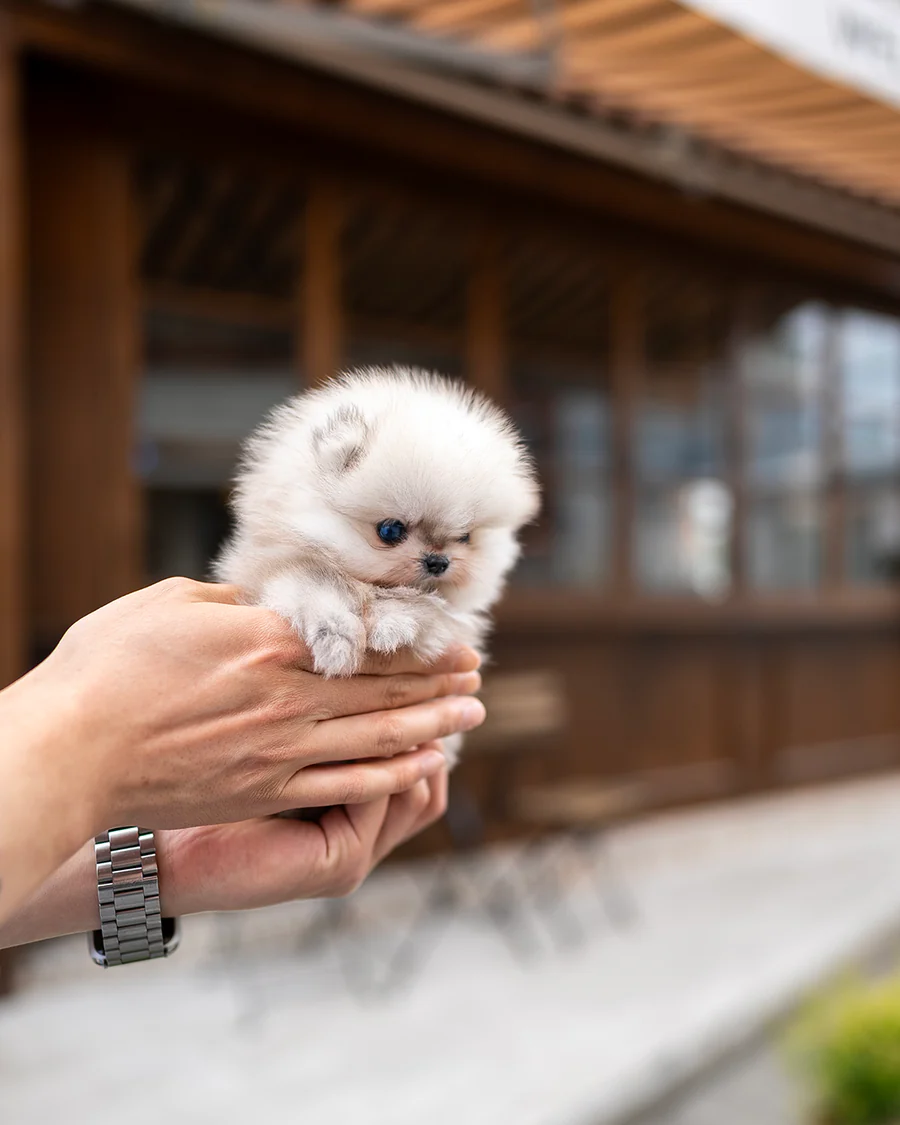
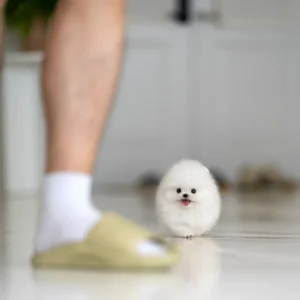
Buy Pomeranian pupy – Risa

Original price was: $1,200.00.$1,000.00Current price is: $1,000.00.
BREED: POMERANIAN
NAME: RISA
SEX: FEMALE
COLOR: LIGHT SABLE
AGE: 3MONTHS
This amount is only for dogs. Transportation costs are extra.
If you insert the post code you live in after purchasing, the shipping fee will be displayed.
Meet Risa: Purebred Teacup Pomeranian Puppy for Sale & Complete Breed Ownership Guide
Adopting a teacup Pomeranian puppy is a decision that brings immense joy, warmth, and energetic companionship into any home. If you are actively searching for a healthy, micro-sized purebred Pomeranian, Risa represents the pinnacle of ethically bred toy companions.
This comprehensive guide serves dual purposes: providing a complete adoption overview for Risa the Pomeranian puppy while outlining expert insights on Pomeranian care, health protocols, temperament management, and transition strategies for prospective pet parents.
What Is a Pomeranian Puppy?
A Pomeranian puppy is a compact, toy dog breed belonging to the Spitz family, characterized by a plush double coat, alert prick ears, and a distinctive foxy expression. Weighing between 3 to 7 pounds at adulthood, Pomeranians are highly intelligent, playful, and loyal companions well-suited for apartment living and attentive families
Key Specifications for Risa
| Feature | Specification Details |
| Breed | Purebred Pomeranian (Spitz Family) |
| Temporary Name | Risa |
| Estimated Adult Weight | 3.5 – 4.5 lbs (Micro/Teacup Scale) |
| Coat Type & Color | Plush Double Coat, Cream / Orange Sable |
| Current Age | 10 Weeks |
| Vaccination Status | Up-to-date (DHPP Round 1 & 2) |
| Health Guarantee | 1-Year Genetic Health Warranty |
| Pedigree Registration | AKC / Kennel Club Eligible |
| Microchipped | Yes (ISO Standard Transponder) |
Understanding the Pomeranian Temperament & Personality
Pomeranians are renowned for having a “big dog personality” inside a compact body. Despite their small frame, they possess a confident, curious, and affectionate demeanor that makes them standout companion animals.
Core Behavioral Traits
-
High Intelligence & Trainability: Poms inherit sharp mental acuity from their Spitz ancestors. They pick up basic commands, housebreaking routines, and trick training quickly when positive reinforcement methods are used.
-
Alert & Watchful: Naturally observant, Pomeranians excel as alert watchdogs. They will promptly notify owners of arriving guests or unusual noises.
-
Affectionate Bonding: Poms form deep emotional attachments with their human family members. Risa, in particular, displays a gentle, cuddly disposition balanced with playful energy.
-
Adaptable Living: Due to their small stature, Pomeranians thrive in various environments, ranging from high-rise urban apartments to suburban family homes.
Step-by-Step Guide: Preparing Your Home for Risa
Bringing a micro-sized Pomeranian puppy into your home requires structured preparation to guarantee safety, stress-free acclimation, and health preservation.
Step 1: Puppy-Proofing
  ├── Secure exposed electrical cords
  ├── Block narrow gaps behind furniture
  └── Remove toxic indoor plants

Step 2: Essential Supplies Setup
  ├── Adjustable harness & lightweight leash
  ├── Crate & orthopedic plush bedding
  └── Stainless steel food and water bowls

Step 3: Arrival & Environment Intro
  ├── Establish a low-stress quarantine zone
  ├── Maintain existing feeding schedules
  └── Initiate consistent potty routines immediately
1. Secure the Environment (Puppy-Proofing)
-
Eliminate Drop Hazards: Teacup puppies have delicate bone structures. Ensure high couches or beds have pet stairs or ramps to prevent leg fractures.
-
Manage Electrical Cords: Hide or enclose all floor-level wires, as young puppies undergo teething phases and may chew exposed cables.
-
Toxic Substance Check: Store household cleansers, human medications, and plants toxic to dogs (such as lilies, pothos, and sago palms) out of reach.
2. Gather Essential Gear
-
Harness Over Collar: Always walk a Pomeranian using a step-in chest harness rather than attaching a leash directly to a collar. This prevents excess pressure on the throat, reducing the risk of a collapsed trachea—a common structural vulnerability in toy breeds.
-
Nutritional Setup: Stainless steel or ceramic food dishes prevent bacterial buildup compared to plastic alternatives.
-
Sleep & Den Space: A small, soft-sided crate or enclosed playpen with warm blankets creates a secure environment that assists in housebreaking.
3. Establish Routine from Day One
-
Potty Schedule: Take Risa to her designated potty zone immediately upon arriving home, as well as after meals, naps, and play sessions.
-
Rest Periods: Young puppies require 18 to 20 hours of sleep daily for adequate physiological and neurological development.
Health, Nutrition, and Preventative Care
Maintaining the health of a toy Pomeranian requires consistent veterinary care, high-quality nutrition, and early detection of breed-specific traits.
Nutritional Guidelines
Pomeranian puppies possess rapid metabolic rates paired with small stomach capacities. To prevent hypoglycemia (a sudden drop in blood sugar common in micro puppies), adhere to the following feeding structure:
-
Frequency: Feed small, balanced meals 3 to 4 times daily until 6 months of age.
-
Diet Composition: Select high-protein, calorie-dense small-breed puppy formulations rich in Omega-3 and Omega-6 fatty acids to support coat density and brain development.
-
Caloric Control: Monitor portion sizes carefully to prevent obesity, which places unnecessary strain on small joints and respiratory pathways.
Key Breed Health Considerations
-
Patellar Luxation: A condition where the kneecap temporarily slips out of place. Maintaining an ideal weight and avoiding high-impact jumps mitigates risk.
-
Tracheal Collapse: Weakened cartilage rings in the windpipe. Prevented primarily by using walking harnesses instead of neck collars.
-
Dental Hygiene: Toy breeds are prone to dental crowding and early plaque accumulation. Introduce daily tooth brushing with dog-safe enzymatic toothpaste early in puppyhood.
-
Coat Health (Alopecia X): Regular grooming and routine health screenings help preserve the health of the double coat. Consult resources such as puppy paradis for detailed canine health management.
Comprehensive Grooming & Coat Maintenance Routine
The hallmark of the Pomeranian breed is its luxurious, dense double coat, consisting of a soft, fluffy undercoat and a longer, straight guard-hair topcoat.
Daily Care ───► Gentle line-brushing with a slicker brush & metal comb
Weekly Care ──► Nail trimming, ear hygiene inspection, & dental brushing
Monthly Care ─► Gentle bath with hydrating shampoo, blowout, & sanitary trim
Grooming Steps for Peak Coat Condition
-
Brushing Technique (Line Brushing): Partition the coat into small sections and brush from the skin outward using a soft slicker brush. Never dry-brush a double coat; mist lightly with a leave-in conditioning spray to prevent hair breakage.
-
Bathing Schedule: Bathe every 4 to 6 weeks using a hypoallergenic, soap-free canine shampoo followed by a deep conditioner. Dry thoroughly with a cool-setting dryer to prevent moisture trap in the dense undercoat.
-
Sanitary Trims: Keep the paws, sanitary areas, and lower legs neatly trimmed for hygiene without shaving down the primary double coat.
Pros and Cons of Owning a Pomeranian Puppy
Before committing to adoption, evaluate whether a toy Pomeranian aligns with your daily routine and home setup:
Pros
-
Ideal for Apartment Living: Compact size and manageable exercise requirements make them perfect for city dwellings.
-
Exceptional Companionship: Loyal, loving, and deeply devoted to their human owners.
-
High Intelligence: Quick learners that excel in obedience commands, trick training, and agility tasks.
-
Long Lifespan: With proper care, Pomeranians routinely live 12 to 16 years.
Cons
-
Fragile Frame: Requires gentle handling; may not be suited for households with unsupervised toddlers.
-
Vocal Tendencies: Can become yappy without early noise-desensitization and barking boundaries.
-
Grooming Commitment: Requires consistent brushing multiple times a week to prevent matting.
Comparison: Pomeranian vs. Other Toy Breeds
Understanding how the Pomeranian compares to other popular toy breeds helps confirm if Risa is the right match for your lifestyle:
| Trait / Breed | Pomeranian (Risa) | Chihuahua | Maltese |
| Average Weight | 3 – 7 lbs | 2 – 6 lbs | 4 – 7 lbs |
| Coat Maintenance | Moderate – High (Double Coat) | Low (Smooth Coat) | High (Single Hair Coat) |
| Energy Level | Moderate – High | Moderate | Low – Moderate |
| Barking Instinct | High (Alert Watchdog) | High (Protective) | Moderate |
| Trainability | Very High | Moderate | High |
FAQs (People Also Ask)
1. What is the average lifespan of a purebred Pomeranian puppy?
A healthy, well-cared-for Pomeranian puppy has an average lifespan of 12 to 16 years. Proper nutrition, routine dental hygiene, annual veterinary checkups, and maintaining an optimal weight contribute significantly to their longevity.
2. Are Pomeranians suitable for families with young children?
Pomeranians make loving family pets, but their small size makes them susceptible to accidental injury from rough handling. They thrive best in homes with adults or gentle, older children who have been taught how to hold and interact with small dogs safely.
3. How often should I groom my Pomeranian puppy?
Pomeranians require line-brushing 2 to 3 times per week to remove loose undercoat fur and prevent tangles. Full grooming sessions—including baths, nail trims, ear cleaning, and light sanitary trims—should occur every 4 to 6 weeks.
4. Do Pomeranians bark excessively, and how can it be controlled?
Pomeranians are naturally alert and vocal watchdogs. While they may bark at novel sounds or visitors, early socialization, basic obedience training, and rewarding quiet behavior effectively keep barking under control.
5. What are the signs of hypoglycemia in teacup puppies?
Signs of low blood sugar include lethargy, muscle weakness, wobbling or unsteady gait, shivering, and pale gums. If these symptoms appear, rub a small amount of maple syrup or glucose gel on the puppy’s gums immediately and contact your veterinarian.
6. How do I transition Risa into a “Let Property Campaign” real estate or pet-friendly property setup?
When introducing a puppy like Risa into managed pet-friendly rental portfolios (such as those optimized in a Let Property Campaign), focus on demonstrating responsible pet ownership. Providing landlord-friendly pet resumes, health certificates, crate-training proof, and liability coverage ensures smooth approval in high-end rental properties.
7. Why should I use a harness instead of a collar for walks?
Using a harness distributes pressure evenly across the chest rather than putting strain on the trachea. Toy breeds like Pomeranians have sensitive windpipes prone to collapsing under pressure, making a harness the safest choice for walks.
Be the first to review “Buy Pomeranian pupy – Risa”
Related products
Pomeranian
Pomeranian
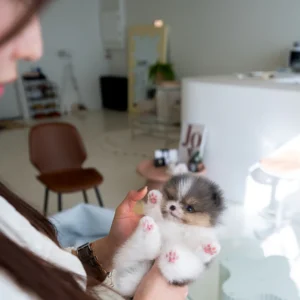
Pomeranian
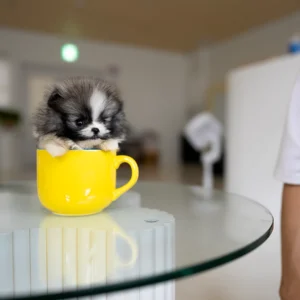
Pomeranian
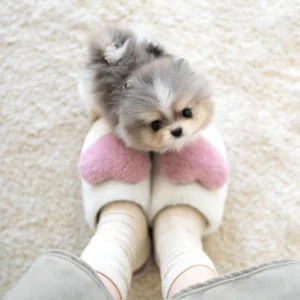
Pomeranian

Pomeranian
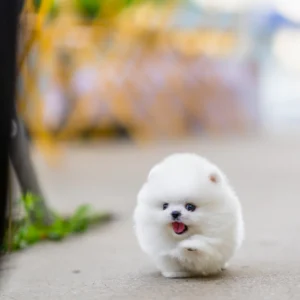
Pomeranian
Pomeranian
Reviews
There are no reviews yet.