
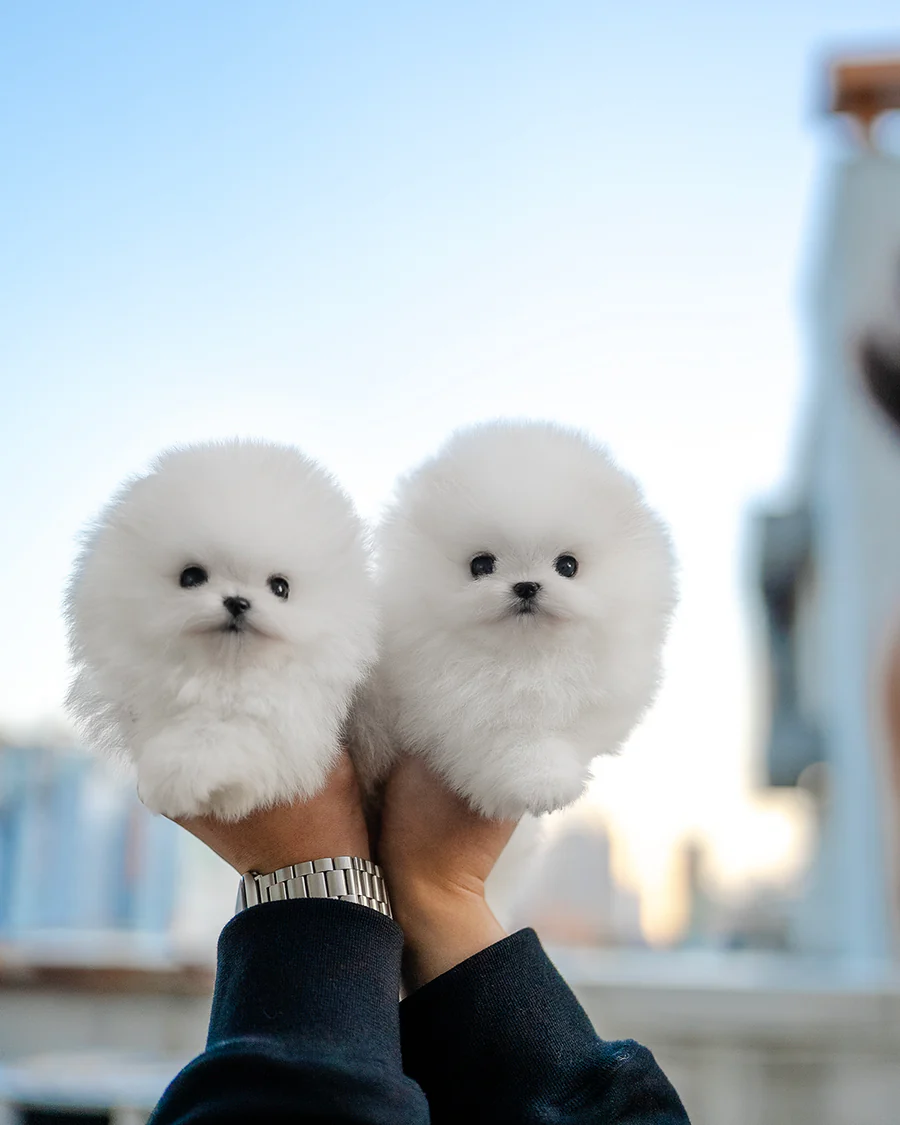
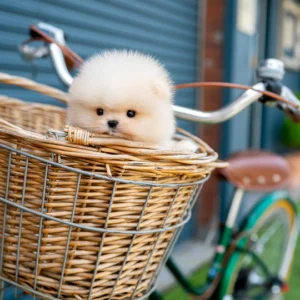
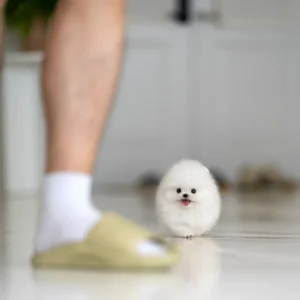
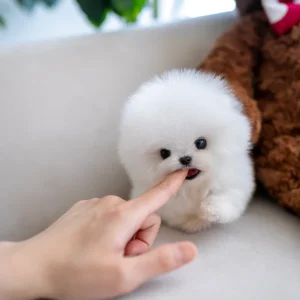
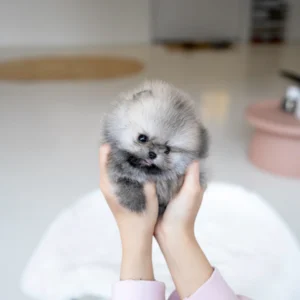
Pomeranian puppy- Tommy & Thompson

Original price was: $2,500.00.$2,200.00Current price is: $2,200.00.
BREED: POMERANIAN
NAME: TOMMY & THOMPSON
SEX: MALE
COLOR: WHITE
AGE: 3MONTHS
If you want this teacup puppies, please contact us.
You send us a picture of puppy, we will let you know if it is available now and about the puppy.
You can contact us as follows.
Pomeranian Puppy – Tommy & Thompson | Adorable Pomeranian Puppies for Sale
Finding the right Pomeranian puppy is about much more than choosing an adorable face. If you are searching for Pomeranian Puppy – Tommy & Thompson, you are likely looking for charming, small-breed companions that can become an important part of your household.
Tommy & Thompson offer an opportunity to consider two Pomeranian puppies together while also learning what responsible Pomeranian ownership involves. From their distinctive fluffy coats and compact size to their intelligence, energy, grooming requirements, training needs, and health considerations, there are several factors worth understanding before bringing one or both puppies home.
The Pomeranian is a Toy Group breed recognized for its abundant double coat, lively personality, alert expression, and confident character. The American Kennel Club (AKC) states that adult Pomeranians generally measure about 6–7 inches tall and weigh approximately 3–7 pounds, with a typical lifespan of 12–16 years.
This product guide explains what prospective owners should know about Pomeranian Puppy – Tommy & Thompson, including personality, appearance, grooming, nutrition, exercise, training, socialization, health, puppy preparation, and responsible purchasing.
Search intent: Commercial and transactional, with strong informational intent. A person searching for these puppies is likely evaluating a purchase and needs practical information to determine whether Pomeranians are suitable for their home.
Featured Snippet: What Are Pomeranian Puppies Tommy & Thompson?
Pomeranian Puppy – Tommy & Thompson refers to two Pomeranian puppies presented as potential companion pets. Pomeranians are small, intelligent, lively dogs recognized for their fluffy double coats and confident personalities. Adult Pomeranians generally weigh 3–7 pounds and can live approximately 12–16 years with appropriate care, nutrition, veterinary attention, training, and grooming.
Meet Pomeranian Puppy – Tommy & Thompson
Tommy and Thompson are presented for people searching for Pomeranian puppies with the breed’s characteristic combination of compact size, fluffy appearance, and lively personality.
Pomeranians are particularly interesting because their physical size does not define their character. These are small dogs that can be surprisingly confident, curious, energetic, and vocal.
That personality can make life with a Pomeranian entertaining.
They may want to follow their owners around the house, investigate new sounds, play with toys, learn tricks, or simply settle down beside their favorite person after an active session.
However, responsible ownership means looking beyond appearance.
Whether you are considering Tommy, Thompson, or both, you should evaluate factors such as health documentation, temperament, socialization, grooming requirements, training needs, household safety, and long-term commitment.
A puppy should be chosen because the breed fits your lifestyle—not simply because the puppy looks cute in photographs.
Why Choose a Pomeranian Puppy?
Pomeranians have become one of the world’s best-known toy breeds for good reason.
They combine a tiny physical frame with an expressive personality and distinctive appearance.
Small Size, Big Personality
The Pomeranian is a compact companion breed, but its personality can be anything but small.
The AKC describes Pomeranians as lively, inquisitive, and bold.
This makes them appealing to owners who want an engaging companion without the space requirements of a large dog.
Intelligent and Eager to Learn
Pomeranians are intelligent and can learn commands, tricks, games, and household routines.
With consistent positive reinforcement, Tommy and Thompson can be introduced to basic obedience and appropriate household behavior from an early age.
The breed can also participate in activities such as obedience, rally, and agility when properly trained.
Affectionate Companionship
Pomeranians often enjoy being involved with their owners.
They may follow family members around the home, sit nearby while people work, or become enthusiastic participants in playtime.
This makes them particularly attractive to people who want a companion dog rather than a pet that spends most of its time independently.
Adaptable to Different Homes
Because of their small size, Pomeranians can live successfully in apartments, townhouses, or larger homes.
But don’t confuse small size with low responsibility.
A Pomeranian still needs exercise, mental stimulation, training, grooming, veterinary care, and appropriate supervision.
Pomeranian Puppy Tommy & Thompson Appearance
The Pomeranian’s appearance is one of its defining characteristics.
The breed has a compact body, small upright ears, expressive eyes, a plumed tail, and a profuse double coat.
Adult Pomeranians generally weigh around 3–7 pounds and stand approximately 6–7 inches tall, according to the AKC.
However, these are breed-level guidelines rather than guarantees for Tommy or Thompson.
Individual puppies can vary, and their eventual adult size depends on genetics, development, nutrition, and other factors.
The Signature Pomeranian Coat
The Pomeranian’s coat is particularly distinctive.
Its double coat consists of a dense undercoat and longer outer coat, creating the fluffy appearance associated with the breed.
The coat can be beautiful, but it requires commitment.
Regular brushing is important to prevent tangles and mats and to maintain the coat’s condition.
Prospective owners should understand that grooming is part of normal Pomeranian ownership rather than an occasional cosmetic activity.
Pomeranian Puppy Grooming Guide
If you are considering Tommy & Thompson, grooming should be part of your preparation from day one.
Regular Brushing
The AKC recommends regular brushing for Pomeranians, including brushing through the coat to the skin to help prevent mats.
A practical grooming routine can include:
- Regular coat brushing
- Nail maintenance
- Ear checks
- Dental care
- Bathing when necessary
- Professional grooming when appropriate
Introduce Grooming Early
Puppies should gradually learn that brushing, nail handling, ear checks, and other grooming activities are normal.
Start with short sessions.
Reward calm behavior.
Do not turn grooming into a wrestling match.
The objective is to teach Tommy or Thompson that grooming is a predictable and positive part of life.
Professional Grooming
Owners who are not comfortable maintaining the full coat themselves can use a professional groomer.
The AKC recommends professional grooming approximately every four to six weeks for owners who prefer professional assistance.
Pomeranian Puppy Temperament: Tommy & Thompson
Breed characteristics can provide useful guidance, but they cannot predict every puppy’s personality.
Tommy and Thompson will each develop individual personalities influenced by genetics, early socialization, environment, training, and daily experiences.
The Pomeranian breed is generally known for being:
- Alert
- Curious
- Playful
- Intelligent
- Confident
- Energetic
- Affectionate
- Social when appropriately introduced
Alert Nature
Pomeranians often notice things happening around them.
A sound outside the home, a visitor, or something moving through the window can quickly capture their attention.
This can be useful, but it can also contribute to barking.
Training should therefore include teaching appropriate alert behavior and a reliable “quiet” or settling routine.
Playful Personality
Pomeranians enjoy interaction.
Interactive toys, short training games, puzzle toys, and supervised play can help keep Tommy and Thompson mentally engaged.
Affectionate but Independent
Pomeranians can form strong bonds with their families while still displaying independent behavior.
This is why training should focus on building good habits rather than expecting a puppy to behave perfectly without guidance.
Training Pomeranian Puppies Tommy & Thompson
Early training is one of the best investments you can make in a puppy’s future.
Pomeranians are intelligent, but intelligence does not eliminate the need for patience and consistency.
Start With Basic Commands
Begin with simple behaviors such as:
- Responding to their names
- Sit
- Stay
- Come
- Leave it
- Drop it
- Walking on a leash
- Toilet training
- Settling calmly
- Gentle handling
Keep sessions short.
Puppies learn better when training feels like a game rather than a prolonged lecture.
Positive Reinforcement
Reward desired behavior with appropriate treats, praise, play, or another reward the puppy values.
Avoid relying on fear or harsh punishment.
The AKC recommends positive training approaches and early puppy training for Pomeranians.
House Training
House training may require patience.
Small dogs can sometimes take longer to develop reliable toilet habits.
A consistent schedule helps.
Take the puppy out at appropriate intervals, reward successful toilet behavior, and respond calmly to accidents.
The goal is consistency rather than punishment.
Socialization for Tommy & Thompson
Socialization is critical during puppyhood.
It means gradually exposing a puppy to new experiences in safe, positive, age-appropriate ways.
Tommy and Thompson can gradually experience:
- Different people
- Household sounds
- Car rides
- New surfaces
- Grooming
- Veterinary handling
- Appropriate dogs
- New environments
- Household routines
- Different sights and sounds
The objective is not to overwhelm a puppy.
Instead, introduce new experiences gradually and reward calm behavior.
The AKC recommends early socialization and puppy training classes for Pomeranians.
Exercise Requirements for Pomeranian Puppies
Pomeranians are small, but they are not completely sedentary dogs.
Tommy and Thompson can benefit from short walks, indoor games, supervised play, and mental stimulation.
The AKC notes that Pomeranians enjoy activities such as walking and playing and can receive exercise through indoor play.
Don’t Overexercise a Young Puppy
Puppies are still developing.
Exercise should be age-appropriate and guided by veterinary advice.
Avoid turning a small puppy into an endurance athlete.
Instead, focus on short, safe periods of activity followed by plenty of rest.
Mental Exercise Matters
A Pomeranian’s brain needs exercise too.
Try:
- Basic obedience games
- Treat puzzles
- Hide-and-seek games
- Name recognition
- Toy retrieval
- Simple tricks
- Scent games
Mental stimulation can be especially useful on days when longer outdoor activity is not practical.
Pomeranian Puppy Nutrition
Good nutrition supports healthy growth and development.
Tommy and Thompson should receive a complete and balanced puppy diet appropriate for their age and size.
Avoid randomly switching foods or overfeeding because a puppy appears hungry.
The appropriate amount depends on the puppy’s age, size, activity level, food type, and individual needs.
Your veterinarian can help establish a suitable feeding routine.
Treats and Training
Treats can be useful during training, but they should be incorporated sensibly into the puppy’s overall calorie intake.
Small puppies do not need large treats.
Tiny portions can be enough to reinforce desirable behavior.
Fresh drinking water should always be available.
Pomeranian Puppy Health Considerations
Responsible puppy ownership requires honest discussion about health.
No breeder, seller, or website can guarantee that a puppy will never develop a health problem.
Pomeranians can be healthy and long-lived companions, but the breed is associated with certain health concerns.
The AKC identifies issues including:
- Luxating patella
- Hypothyroidism
- Collapsing trachea
- Congestive heart failure
- Seizures
- Alopecia X
The AKC also identifies patella evaluation, cardiac examination, and ophthalmologist evaluation among recommended breed-club health screening.
This does not mean Tommy or Thompson will develop these conditions.
It means prospective owners should understand the breed and ask informed questions.
What Should You Ask Before Buying?
Before purchasing Tommy or Thompson, ask for relevant documentation.
This may include:
- Veterinary examination records
- Vaccination records
- Deworming records
- Microchip information, where applicable
- Parent health-testing information
- Feeding instructions
- Puppy identification
- Purchase contract
- Information about early socialization
A responsible seller should be transparent.
If important health or ownership information cannot be provided, that should be treated as a reason to pause and investigate further.
Pomeranian Puppy Safety
Tommy and Thompson’s small size makes safety particularly important.
A tiny puppy can be injured by situations that might be harmless to a larger dog.
Protect Puppies From:
- High furniture
- Stairs
- Large dogs
- Open gates
- Balconies
- Small objects
- Electrical wires
- Toxic household substances
- Unsupervised outdoor areas
The AKC specifically warns about injuries caused by jumping from furniture and recommends preventing Pomeranians from repeatedly jumping on and off couches or beds.
Outdoor supervision is also important.
A tiny dog can escape through openings that an owner might not initially consider large enough.
Keeping Two Pomeranian Puppies Together
If Tommy and Thompson are being considered as a pair, prospective owners should think carefully about whether their household is prepared for two puppies.
Two puppies can provide companionship and entertainment, but they also mean additional responsibilities.
You should expect:
- More food expenses
- More grooming
- More veterinary costs
- More training
- More cleaning
- More supervision
- More individual attention
If raising two puppies together, each puppy should still receive individual training and one-on-one interaction.
They should not be expected to learn everything by simply copying each other.
Separate short training sessions can help each puppy develop confidence and independence.
For a household considering both Tommy and Thompson, this is an important practical consideration.
Tommy vs. Thompson: Choosing the Right Puppy
If Tommy and Thompson are being offered individually or together, choosing between them should not be based solely on appearance.
Consider:
| Factor | What to Evaluate |
|---|---|
| Temperament | Curious, confident, calm, responsive |
| Health | Veterinary records and appropriate screening |
| Socialization | Exposure to people, sounds and handling |
| Energy | Does the puppy’s activity level fit your household? |
| Grooming | Are you prepared for regular coat maintenance? |
| Training | Is the puppy responsive to positive interaction? |
| Household fit | Can your home safely accommodate a tiny dog? |
A puppy’s personality develops over time, so avoid expecting a young puppy to display a complete adult temperament.
Pros and Cons of Owning a Pomeranian
Advantages
- Very small companion breed
- Distinctive fluffy appearance
- Intelligent and trainable
- Playful and engaging
- Adaptable to many living environments
- Strong human companionship
- Can enjoy indoor activities
- Can learn tricks and obedience behaviors
Potential Challenges
- Requires regular grooming
- May bark frequently without training
- Very small body requires careful handling
- House training can require patience
- Needs socialization
- Can become bored without mental stimulation
- Veterinary and grooming expenses continue throughout ownership
Understanding both sides gives buyers a more realistic picture of Pomeranian ownership.
Is Pomeranian Puppy – Tommy & Thompson Right for You?
Pomeranians can be excellent companions, but they are not suitable for every household.
Tommy or Thompson may be a good match if you want:
- A small companion dog
- A playful pet
- An intelligent dog
- A highly recognizable fluffy breed
- A dog that can adapt to apartment living
- A companion that enjoys human interaction
Think carefully if you:
- Want a completely quiet dog
- Do not enjoy grooming
- Have little time for training
- Expect instant house training
- Have very young children who cannot safely handle a tiny puppy
- Want a dog capable of intense physical activity
The right puppy is determined by compatibility—not appearance alone.
Step-by-Step Guide to Preparing for Tommy & Thompson
Step 1: Puppy-Proof Your Home
Remove small objects, secure wires, block unsafe areas, and prevent access to toxic substances.
Step 2: Create a Safe Sleeping Area
Give the puppy a comfortable area where he can sleep without being disturbed.
Step 3: Prepare Food and Water
Choose an appropriate puppy diet and establish a feeding routine.
Step 4: Buy Grooming Supplies
Prepare a suitable brush, nail-care equipment, and other basic grooming products.
Step 5: Arrange Veterinary Care
Review the puppy’s health records and establish ongoing veterinary care.
Step 6: Establish a Routine
Create predictable times for meals, toilet breaks, play, training, and sleep.
Step 7: Begin Training
Use short, positive sessions to teach basic behaviors.
Step 8: Begin Appropriate Socialization
Introduce new experiences gradually and positively, following veterinary guidance regarding vaccination and exposure.
Pomeranian Puppy History
The Pomeranian’s history helps explain why today’s breed looks so different from its larger Spitz ancestors.
Pomeranians belong to the Spitz family and are associated historically with the Pomerania region of Central Europe.
The breed was developed into the much smaller companion dog recognized today.
Wikipedia provides additional historical information about the breed, including its relationship to larger Spitz-type dogs and its development as a companion breed. Wikipedia – Pomeranian Dog
The breed’s history is one reason its appearance and temperament contain an interesting combination of compact companion-dog characteristics and the alertness commonly associated with Spitz-type dogs.
Responsible Pomeranian Puppy Buying
If you are interested in Pomeranian Puppy – Tommy & Thompson, take your time before completing a purchase.
A responsible transaction should include clear information about the puppy.
Look for transparency regarding:
- Age
- Health
- Vaccinations
- Deworming
- Identification
- Parent information
- Available health screening
- Feeding
- Socialization
- Purchase terms
Do not rely solely on photographs or marketing language.
Ask questions.
Request documentation.
Understand what you are purchasing.
This approach protects both the buyer and the puppy.
Why Tommy & Thompson Could Be Wonderful Companions
Tommy and Thompson represent the qualities that make Pomeranians so popular: compact size, expressive appearance, intelligence, energy, and companionship.
Their small bodies make them practical for many households, while their personalities can make them surprisingly engaging.
A Pomeranian may want to participate in everyday life rather than simply sit quietly in a corner.
That can mean following you around the house, learning tricks, playing with toys, watching what happens outside, or settling beside you after a busy day.
But that relationship comes with responsibility.
The more effort an owner puts into training, grooming, socialization, health care, and safety, the better positioned the puppy is to become a confident and well-mannered companion.
Final Thoughts on Pomeranian Puppy – Tommy & Thompson
Pomeranian Puppy – Tommy & Thompson is an appealing choice for prospective owners looking for small, fluffy, intelligent, and lively companion dogs.
Pomeranians are not simply miniature decorative dogs. They are intelligent, alert, energetic companions that need appropriate care throughout their lives.
If you are considering Tommy, Thompson, or both, make your decision based on the complete ownership picture.
Understand the grooming commitment.
Prepare for training.
Plan for veterinary care.
Create a safe home.
Provide appropriate nutrition.
Give the puppy meaningful socialization and mental stimulation.
Ultimately, the best Pomeranian puppy is not simply the one that looks the cutest.
It is the puppy whose needs, personality, and care requirements fit your household and whose health and history can be responsibly verified.
If that fit exists, Tommy and Thompson can be much more than adorable Pomeranian puppies—they can become cherished long-term companions.
Frequently Asked Questions About Pomeranian Puppy – Tommy & Thompson
1. How big do Pomeranian puppies become?
Adult Pomeranians generally measure approximately 6–7 inches tall and weigh around 3–7 pounds. Individual adult size can vary, so these figures should be treated as general breed guidelines rather than a guarantee of Tommy or Thompson’s final size.
2. Are Pomeranians good family pets?
Yes, Pomeranians can make excellent family companions when their needs are properly understood. Because they are very small, children should be taught to handle them gently and safely. The AKC particularly highlights older children who understand how to interact appropriately with small dogs.
3. How much grooming do Tommy and Thompson need?
Pomeranians require regular brushing because of their abundant double coat. The AKC recommends regular brushing and indicates that professional grooming every four to six weeks can be appropriate for owners who prefer professional assistance.
4. Are Pomeranian puppies easy to train?
Pomeranians are intelligent and capable of learning commands and tricks, but training requires consistency and patience. Positive reinforcement and early socialization can help establish good habits. House training may take additional time and consistency.
5. Can Tommy and Thompson be raised together?
Two Pomeranian puppies can potentially be raised in the same household, but two puppies also require additional time, training, supervision, grooming, veterinary care, and financial resources. Each puppy should receive individual attention and training so both develop confidence and independence.
6. What should I check before buying Pomeranian Puppy – Tommy & Thompson?
Check the puppies’ age, veterinary records, vaccination and deworming information, identification, parent health information, available health screening, feeding instructions, and purchase documentation. Ask questions and verify information rather than making a decision based only on photographs.
7. How long do Pomeranians live?
The AKC lists the typical Pomeranian lifespan at approximately 12–16 years. Individual lifespan varies depending on genetics, health, nutrition, veterinary care, lifestyle, and other factors.
Be the first to review “Pomeranian puppy- Tommy & Thompson”
Related products
Pomeranian
Pomeranian
Pomeranian
Pomeranian
Pomeranian
Pomeranian
Pomeranian
Pomeranian
Reviews
There are no reviews yet.