
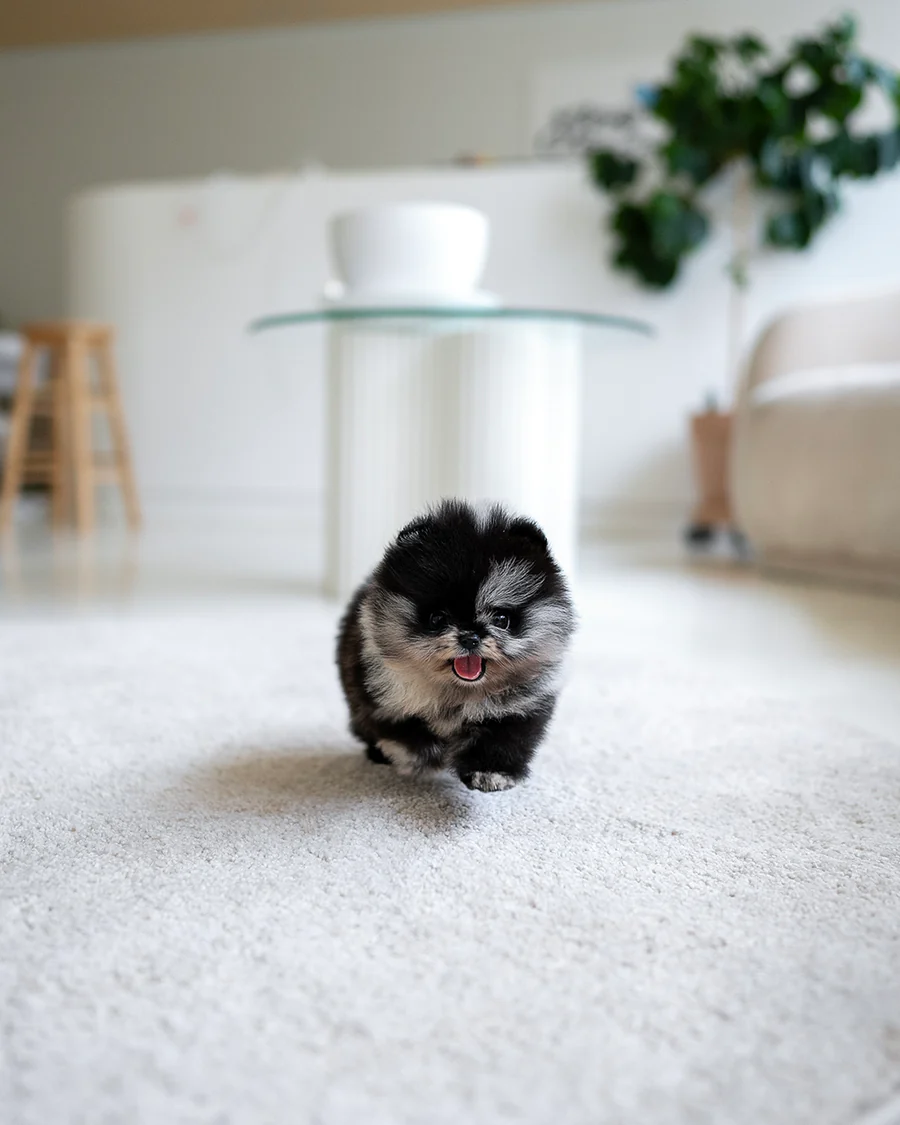
Pomeranian Puppy – Maxwell

Original price was: $1,300.00.$1,100.00Current price is: $1,100.00.
BREED: POMERANIAN
NAME: MAXWELL
SEX: MALE
COLOR: MERLE COLOR
AGE: 3MONTHS
If you want this teacup puppies, please contact us.
You send us a picture of puppy, we will let you know if it is available now and about the puppy.
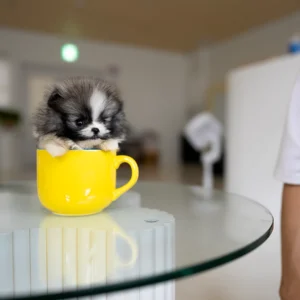
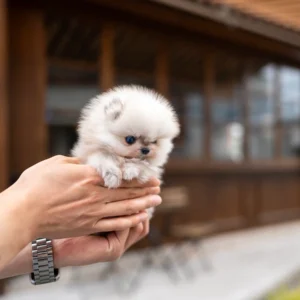
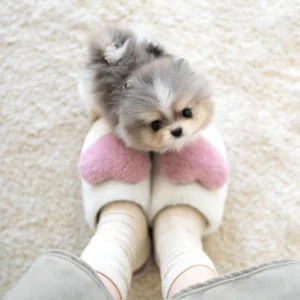
Cream Pomeranian Puppy for Sale: Meet Maxwell, Evelyn’s Pomeranians’ Gentle Little Gentleman
Searching for a Pomeranian puppy for sale but hoping for a calmer, more easygoing temperament to match that famously fluffy look? Maxwell might be exactly the match you’ve been searching for. Maxwell is a purebred cream Pomeranian puppy raised at Evelyn’s Pomeranians, known for his soft, plush coat, gentle disposition, and steady confidence around new people and environments. Below, you’ll find everything you need to understand the Pomeranian breed, evaluate Maxwell’s fit for your household, learn how responsible breeders operate, and get direct answers to the questions most buyers ask before committing to a toy-breed puppy.
What Is a Pomeranian Puppy?
A Pomeranian puppy is a small spitz-type companion dog, one of the smallest members of the spitz family, typically maturing to 3–7 pounds and 6–7 inches tall. The breed is defined by a thick double coat, a fox-like face, erect ears, and a tail carried over the back — combined with an intelligent, confident personality that made Pomeranians a favorite of European royalty before becoming a global companion breed.
Meet Maxwell: Coat, Build, and Personality
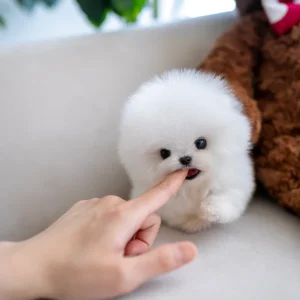
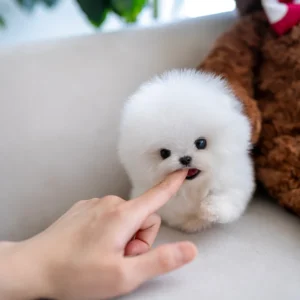
Maxwell has the balanced, compact frame the breed standard calls for, with a soft cream coat rather than the more commonly seen orange — a color variation that’s grown steadily in demand among buyers looking for something a little less traditional. His double coat is already showing the dense undercoat and longer guard hairs that will develop into a full, rounded outline as he matures.
Where Maxwell stands out is temperament. He tends to settle quickly in new environments, is comfortable being handled, and shows the kind of steady confidence that makes early socialization and basic training noticeably easier. Breeders and experienced Pomeranian owners often describe this as an ideal starter temperament for someone new to the breed. Wikipedia entry on the Pomeranian dog breed,
Why the Pomeranian Breed Is So Popular
Pomeranians consistently rank among the most requested toy breeds, and it comes down to a combination of size, personality, and adaptability that few other small dogs match.
Size and Adaptability
A fully grown Pomeranian rarely exceeds 7 pounds, which means the breed adapts comfortably to apartment living, condos, and homes without dedicated yard space, while still enjoying regular walks and play.
Intelligence and Trainability
Pomeranians pick up commands quickly and respond well to reward-based training. Short, consistent sessions tend to outperform longer, infrequent ones with this breed.
Loyalty and Watchdog Instinct
Pomeranians bond closely with their families and are naturally alert, often announcing visitors or unfamiliar sounds — a trait that makes early training around barking especially worthwhile.
Pomeranian Care Guide: What to Expect Week to Week
Owning a Pomeranian like Maxwell means building a consistent routine around coat care, feeding, and exercise. Here’s what that routine typically involves.
Grooming
- Brush the double coat 3–4 times weekly to prevent tangles, focusing on the ears, tail, and rear leg feathering.
- Bathe every 3–4 weeks using a shampoo formulated for double-coated breeds.
- Trim nails every 3–4 weeks and check ears weekly for wax or debris.
- Expect a heavier coat blow twice yearly as the undercoat sheds — daily brushing helps manage it.
Diet and Feeding
- Feed a small-breed puppy formula in 3–4 small meals daily up to around 6 months of age.
- Shift to two meals a day between 6 and 12 months, following veterinary guidance.
- Keep feeding times consistent — toy breed puppies are more prone to blood sugar drops than larger breeds.
Exercise and Enrichment
- Two short daily walks plus indoor play are typically sufficient for an adult Pomeranian’s exercise needs.
- Rotate puzzle toys and short training drills to keep an intelligent breed like this mentally engaged.
Health Considerations
Toy breeds, including Pomeranians, can be predisposed to luxating patella, tracheal collapse, dental crowding, and occasionally heart or eye conditions. Responsible breeders screen their breeding stock for these issues and provide documentation — one of the clearest signals of a trustworthy Pomeranian breeder.
| Fast Facts About Maxwell
Breed: Purebred Pomeranian Coat: Soft cream, full double coat Estimated adult weight: 3–7 lbs Temperament: Calm, confident, quick to settle Health: Vet-checked, up to date on age-appropriate vaccinations Home fit: First-time owners, apartments, families with older children |
How to Choose a Reputable Pomeranian Breeder
Online listings for Pomeranian puppies vary enormously in quality, and this is the single biggest factor in how a puppy turns out — physically and behaviorally. A reputable breeder should welcome questions, provide documentation without pushback, and be transparent about how the puppies were raised and socialized.
Step-by-Step: Vetting a Breeder Before You Buy
- Request veterinary records confirming age-appropriate vaccinations and deworming.
- Ask to see, in person or by video, where the puppy and its parents live.
- Ask specifically about the parents’ health clearances for patellas, heart, and eyes.
- Confirm exactly what paperwork comes with the puppy — registration, microchip, health guarantee.
- Ask what happens if you have questions in the weeks after adoption.
- Treat unusually low prices as a warning sign rather than a bargain — it often reflects skipped health testing or minimal socialization.
Evelyn’s Pomeranians applies this same standard to every litter, Maxwell included: health-screened parents, documented vaccination and deworming records, early socialization from birth, and continued support once a puppy goes home.
Pomeranian vs. Other Popular Small Companion Breeds
If you’re weighing a Pomeranian against other popular small breeds, here’s a side-by-side look at how they typically compare:
| Trait | Pomeranian | Shih Tzu | Bichon Frise |
| Adult weight | 3–7 lbs | 9–16 lbs | 12–18 lbs |
| Coat maintenance | High (double coat) | High (long single coat) | High (curly coat) |
| Energy level | Moderate–High | Low–Moderate | Moderate |
| Watchdog tendency | High (alert barker) | Low–Moderate | Low |
| Typical lifespan | 12–16 years | 10–16 years | 12–15 years |
Pomeranian Puppy: Pros and Cons
Pros
- Small enough for apartment or condo living
- Quick to learn commands and house-training routines
- Long lifespan, commonly 12–16 years
- Alert, loyal, and affectionate with their family
- Wide range of coat colors, including cream, orange, black, and parti
Cons
- Double coat requires a consistent grooming routine
- Natural alertness can lead to excess barking without training
- Small size means care is needed around larger pets or rough handling
- Predisposed to certain hereditary conditions common in toy breeds
Bringing Maxwell Home: What’s Included
Maxwell, like every puppy from Evelyn’s Pomeranians, comes with age-appropriate vaccinations, a veterinary health check, a documented deworming schedule, and guidance for the first few weeks in a new home. New owners also get ongoing support for training, diet, and grooming questions long after adoption day.
Frequently Asked Questions About Pomeranian Puppies
How big does a Pomeranian puppy get as an adult?
Adult Pomeranians typically weigh 3 to 7 pounds and stand 6 to 7 inches at the shoulder, placing them among the smallest breeds in the spitz family.
Is a cream Pomeranian rarer than an orange one?
Cream is a recognized Pomeranian coat color and less commonly seen than the classic orange, though both are equally purebred and standard-compliant when documented by a reputable breeder.
How much grooming does a Pomeranian require?
Expect to brush a Pomeranian’s double coat 3–4 times a week, with more frequent brushing during seasonal shedding, along with routine bathing, nail trims, and ear cleaning.
Are Pomeranians easy to potty train?
Pomeranians are intelligent and generally respond well to consistent, reward-based potty training, though their small bladders mean frequent, scheduled outdoor breaks speed up the process.
What health issues should I ask a breeder about?
Ask specifically about luxating patella, tracheal collapse, dental crowding, and heart or eye clearances for the puppy’s parents — documentation on these points is a strong signal of a responsible breeder.
How much does a Pomeranian puppy cost?
Pricing depends on lineage, coat color, and breeder practices, but health-tested puppies from breeders who provide vaccination records and clearances are typically priced higher than unverified or unregistered litters.
How long do Pomeranians typically live?
With proper nutrition, dental care, and routine veterinary checkups, Pomeranians commonly live 12 to 16 years.
Be the first to review “Pomeranian Puppy – Maxwell”
Related products
Pomeranian
Pomeranian
Pomeranian
Pomeranian
Pomeranian
Pomeranian
Pomeranian
Pomeranian
Reviews
There are no reviews yet.