
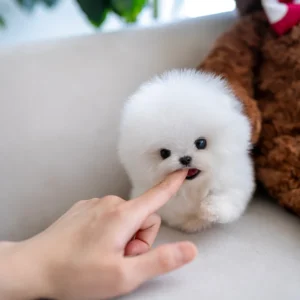
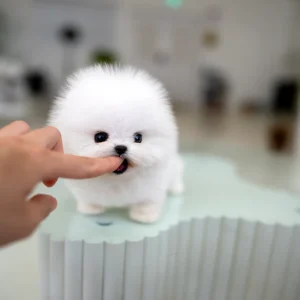
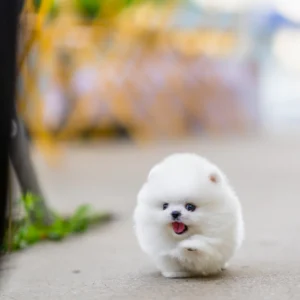
White Pomeranian Puppy For Sale


Original price was: $1,200.00.$900.00Current price is: $900.00.
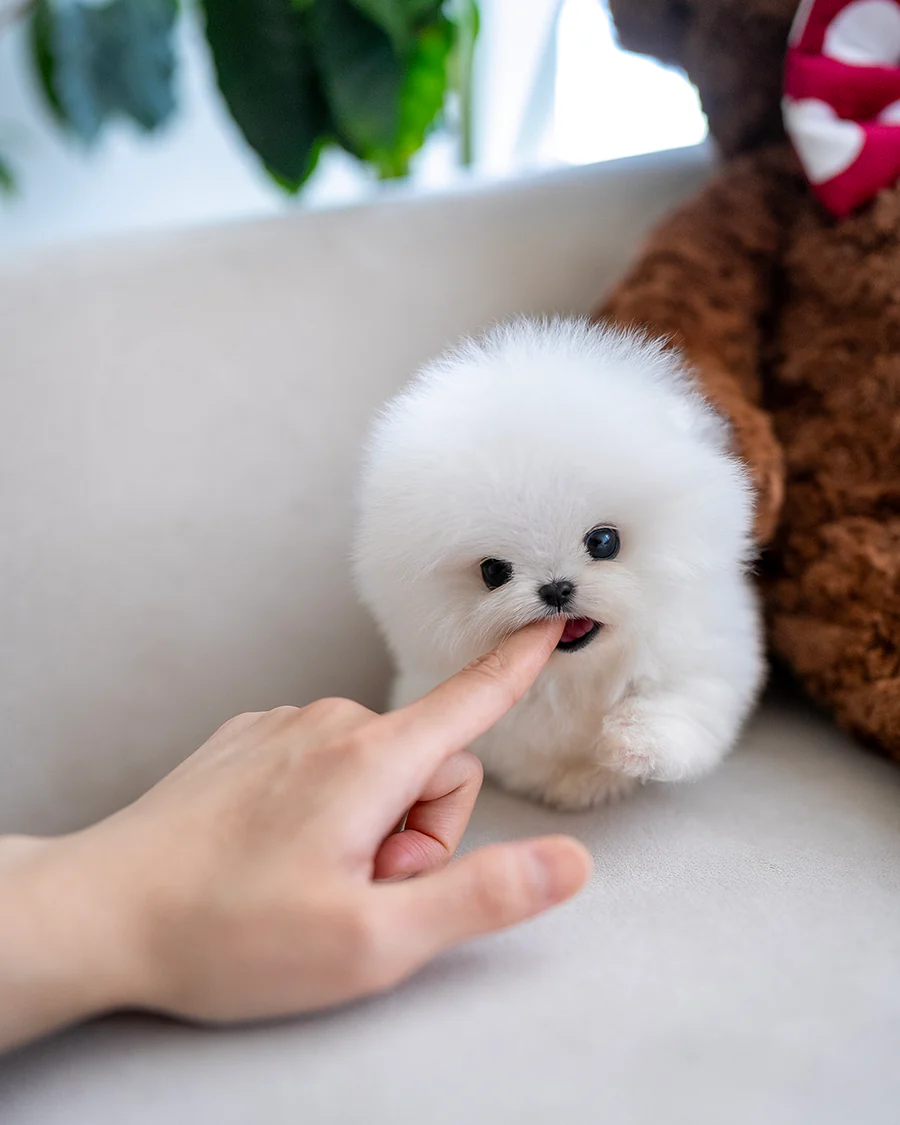
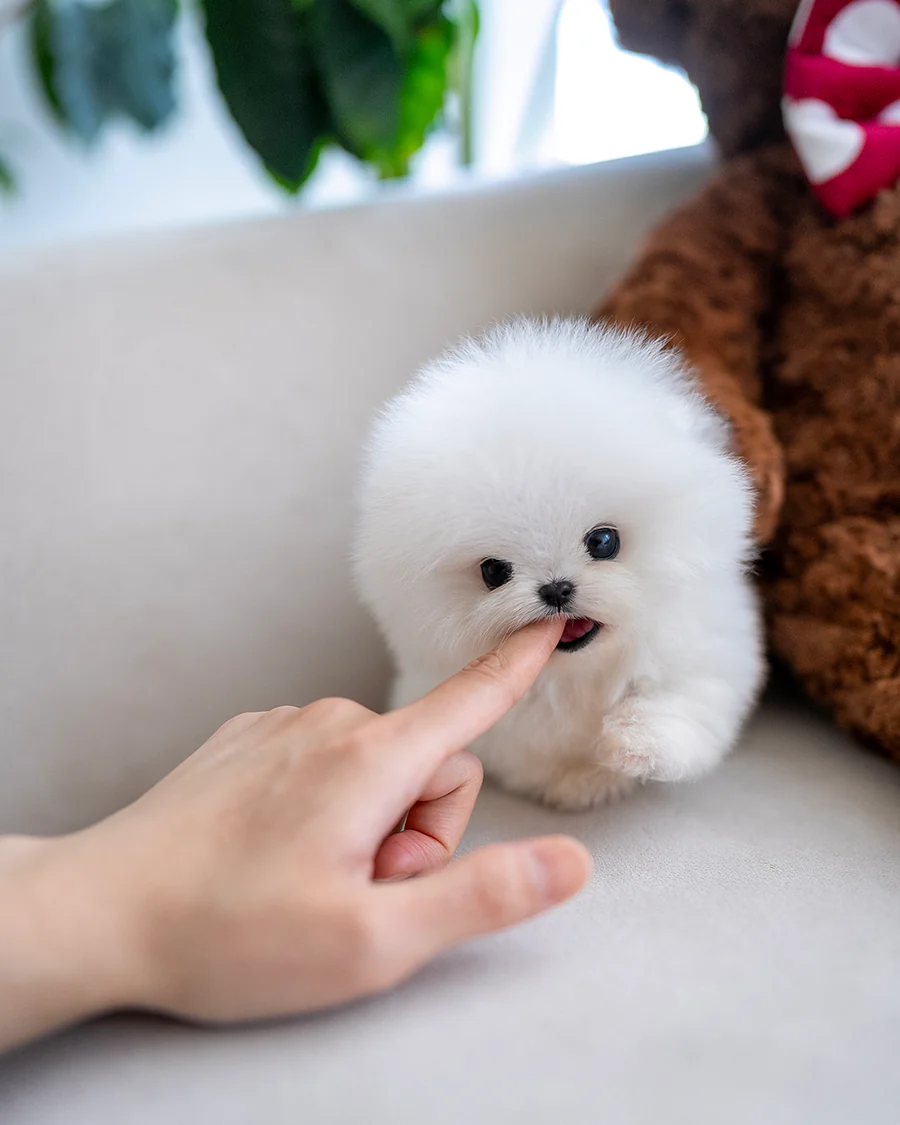
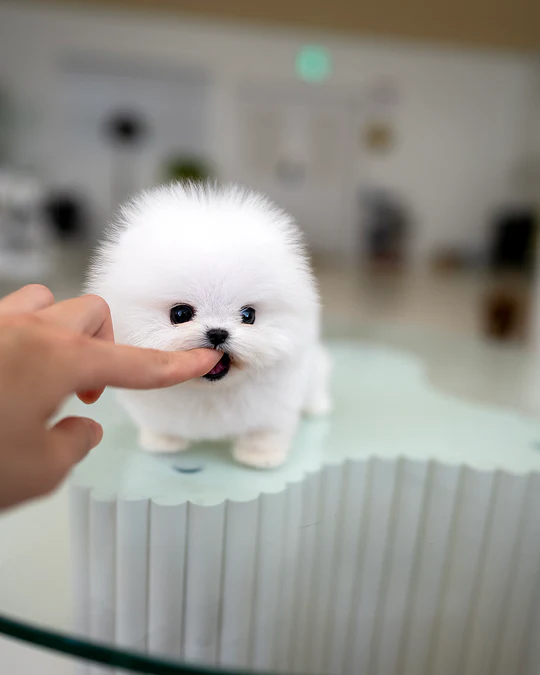
BREED: POMERANIAN
NAME: ISABELLA
SEX: FEMALE
COLOR: WHITE
AGE: 3MONTHS
If you want this teacup puppies, please contact us.
You send us a picture of puppy, we will let you know if it is available now and about the puppy.
Pomeranian Puppy Isabella – Adorable Pomeranian for Sale
Meet Isabella – A Charming Pomeranian Puppy
Searching for an adorable Pomeranian puppy for sale with a beautiful appearance, lively personality, and loving companion-dog qualities? Meet Pomeranian Isabella, a charming puppy suited to families and individuals looking for a small but engaging four-legged companion.
Pomeranians are famous for their fluffy coats, compact size, expressive faces, confidence, intelligence, and affectionate nature. Despite their small bodies, they have energetic personalities and often enjoy being involved in whatever their owners are doing.
Isabella offers an opportunity for a prospective owner to welcome a Pomeranian into their home while understanding what responsible ownership actually involves. Beyond choosing a puppy based on appearance, buyers should consider grooming, training, nutrition, veterinary care, socialization, exercise, and the long-term commitment involved in caring for a dog.
This guide covers everything prospective owners should know about Isabella and the Pomeranian breed, including temperament, grooming, training, health considerations, exercise, home preparation, and practical ownership advice.
What Is a Pomeranian Puppy?
A Pomeranian is a small toy breed recognized for its fluffy double coat, alert expression, compact body, and confident personality. Adult Pomeranians typically weigh between 3 and 7 pounds and stand approximately 6–7 inches tall. They are intelligent, lively companion dogs that benefit from regular grooming, positive training, socialization, and attentive veterinary care.
Why Choose Pomeranian Isabella?
Choosing a puppy should involve more than simply falling in love with a photograph.
Isabella is appealing because Pomeranians combine a small physical size with an unusually expressive personality. They can be playful and energetic one moment, affectionate and cuddly the next, making them engaging companions for owners who enjoy an interactive relationship with their dog.
The American Kennel Club describes Pomeranians as lively, inquisitive, intelligent, and confident. These characteristics are part of what makes the breed so popular among companion-dog owners.
A Small Dog With a Confident Personality
Pomeranians may be classified as toy dogs, but they rarely behave as though they know it.
Their ancestors were larger Spitz-type dogs, and the modern Pomeranian retains many characteristics associated with that heritage, including alertness, confidence, and an independent streak.
Isabella’s small size can make her convenient for many living environments, but owners should not confuse convenience with low maintenance.
A Pomeranian still needs:
- Daily interaction
- Appropriate exercise
- Mental stimulation
- Consistent training
- Regular grooming
- Veterinary care
- Safe socialization
- Plenty of companionship
An Eye-Catching Pomeranian Appearance
One of the first things people notice about a Pomeranian is its coat.
The breed has a distinctive double coat with a dense undercoat and longer outer coat. The abundant fur around the neck and chest contributes to the characteristic fluffy appearance.
The breed standard also highlights the Pomeranian’s plumed tail, compact body, alert expression, and distinctive overall appearance.
For someone searching for a fluffy Pomeranian puppy, these characteristics are a major part of the breed’s appeal.
Pomeranian Isabella Temperament
A puppy’s individual personality cannot responsibly be guaranteed from breed characteristics alone. Genetics, early experiences, socialization, environment, and training all influence adult temperament.
However, Pomeranians are generally known for being alert, lively, intelligent, curious, and affectionate.
Affectionate Companion
Pomeranians often enjoy spending significant time with their owners.
Isabella may become the kind of companion who wants to know what everyone in the household is doing. Pomeranians frequently enjoy sitting beside their owners, playing with toys, learning tricks, or simply being included in everyday activities.
This people-oriented quality makes the breed particularly attractive to individuals seeking a close companion rather than a dog that spends most of its time independently.
Intelligent and Curious
Pomeranians are capable learners.
Their intelligence can make obedience training, tricks, games, and interactive activities particularly rewarding. However, intelligence also means that they need appropriate mental stimulation.
A bored Pomeranian may find its own entertainment.
That could mean barking at interesting noises, exploring areas it shouldn’t, or becoming demanding for attention.
Short training sessions, puzzle toys, interactive play, and structured routines can help keep Isabella mentally engaged.
Alert and Vocal
Pomeranians are naturally observant.
They may notice visitors, unfamiliar sounds, movement outside windows, or changes in their surroundings before their owners do.
This alertness can be useful, but it can also contribute to excessive barking if appropriate boundaries aren’t taught.
Training Isabella to settle, respond to commands, and distinguish between normal household activity and situations requiring attention can help prevent barking from becoming a persistent problem.
Isabella’s Size and Physical Characteristics
Pomeranians are among the smallest recognized dog breeds.
The American Kennel Club lists the breed’s typical adult weight as 3–7 pounds, with an approximate height of 6–7 inches.
Individual puppies can develop differently, however, so prospective owners should be cautious about anyone guaranteeing an exact adult weight.
Terms such as “teacup” are commonly used in online puppy marketing, but they do not represent a separate breed recognized by the American Kennel Club.
A responsible listing should focus on the puppy’s health, welfare, structure, temperament, and appropriate development rather than promising an artificially tiny adult size.
Isabella’s Fluffy Double Coat
The Pomeranian’s coat is one of its most recognizable characteristics.
The breed has a thick undercoat covered by longer outer hairs, producing the fluffy appearance that many people associate with the Pomeranian.
That beautiful coat comes with responsibility.
Pomeranian Grooming Routine
Regular brushing helps prevent tangles and mats while keeping the coat looking healthy.
A practical grooming routine for Isabella can include:
- Regular brushing
- Gentle combing
- Nail trimming
- Ear checks
- Dental care
- Occasional bathing
- Professional grooming when appropriate
Puppies should be introduced to grooming gradually.
Start with short, gentle handling sessions. Touch her paws, inspect her ears, gently brush her coat, and reward calm behavior.
The objective is to teach Isabella that grooming is normal and safe.
Professional Grooming
Professional grooming can be useful for owners who aren’t confident handling a Pomeranian’s full coat.
The American Kennel Club recommends regular professional grooming, often around every four to six weeks depending on the dog’s coat and grooming needs.
However, grooming frequency should be individualized according to Isabella’s coat condition, lifestyle, and the advice of a qualified groomer or veterinarian.
Pomeranian Isabella Exercise Requirements
Another common misunderstanding is that a small dog doesn’t need exercise.
Pomeranians still require physical activity and mental stimulation.
Fortunately, Isabella’s exercise requirements can often be met through a combination of short walks, indoor play, training sessions, and interactive activities.
Age-Appropriate Exercise
Because Isabella is a puppy, exercise should be appropriate for her age and development.
Suitable activities can include:
- Short supervised walks
- Gentle indoor play
- Basic obedience exercises
- Interactive toys
- Puzzle feeders
- Short recall games
- Controlled exploration
Avoid forcing a young puppy into prolonged or strenuous exercise.
Pomeranians are also small enough that interactions with significantly larger dogs require careful supervision.
Training Pomeranian Isabella
Training should begin early.
You don’t need to teach Isabella dozens of commands immediately. Start with the basics and build gradually.
Step 1: Teach Her Name
Use “Isabella” consistently and reward her when she looks toward you after hearing it.
Step 2: Establish Toilet Habits
Take her to the appropriate toilet area regularly, particularly after sleeping, eating, drinking, and playing.
Reward successful behavior immediately.
Step 3: Teach Basic Commands
Useful early commands include:
- Sit
- Come
- Stay
- Leave it
- Drop it
- Wait
- Settle
Step 4: Practice Leash Skills
Introduce a properly fitted harness or collar and leash gradually.
Keep early sessions short and positive.
Step 5: Reward Good Behavior
Positive reinforcement can make training more enjoyable and effective.
Use praise, affection, play, or suitable treats when Isabella behaves appropriately.
House Training a Pomeranian Puppy
House training can require patience with small breeds.
A puppy has a small bladder and may not initially be able to wait as long as an adult dog.
Consistency is more important than punishment.
Create a predictable routine and supervise Isabella closely when she is awake and active.
If an accident happens, clean it thoroughly and avoid punishing the puppy after the fact. She needs to learn what you want her to do rather than simply learning to fear mistakes.
Socializing Isabella
Socialization is one of the most important parts of puppy development.
The goal isn’t to expose Isabella to every possible situation at once.
Instead, gradually introduce her to appropriate experiences in a controlled, positive way.
Examples include:
- Different household sounds
- Visitors
- Different surfaces
- Gentle handling
- Car journeys
- New environments
- Appropriate vaccinated dogs
- Veterinary handling
- Grooming equipment
Positive early experiences can help Isabella become more confident as she matures.
Is Isabella a Good Family Dog?
A Pomeranian can be an excellent family companion when the household understands the breed’s needs.
The main consideration is the dog’s size.
Pomeranians are small and physically delicate. Young children may unintentionally hurt a puppy by dropping her, stepping on her, carrying her incorrectly, or playing too roughly.
Pomeranians and Children
Children should be taught how to interact respectfully with Isabella.
They should understand that:
- She is not a toy.
- She needs uninterrupted sleep.
- Her food should not be disturbed.
- Her tail and coat should not be pulled.
- She should not be chased.
- Adults should supervise interactions with young children.
With appropriate supervision and education, a Pomeranian can become a wonderful family companion.
Pomeranian Health Considerations
Responsible puppy ownership includes understanding potential breed-related health concerns.
The American Kennel Club identifies several conditions that can occur in Pomeranians, including luxating patellas, hypothyroidism, collapsing trachea, congestive heart failure, seizures, and certain coat-related disorders.
The American Pomeranian Club recommends health evaluations including patella, cardiac, and ophthalmologist examinations.
This doesn’t mean that every Pomeranian will develop these conditions.
It means that prospective owners should take health information seriously and ask appropriate questions before purchasing a puppy.
Questions to Ask Before Buying Isabella
Before making a purchase, ask for:
- Veterinary records
- Vaccination information
- Deworming history
- Health examination details
- Parent health-testing information
- Current diet
- Feeding schedule
- Socialization history
- Information about the puppy’s living conditions
- Any available identification or registration information
Don’t rely exclusively on statements such as “100% healthy.”
Good puppy sellers should be willing to provide appropriate documentation and answer reasonable questions.
Nutrition for Pomeranian Isabella
Nutrition is particularly important for a small puppy.
Isabella should receive a complete and balanced diet formulated for puppies and appropriate for her size and developmental stage.
Because small dogs can have small stomachs, feeding schedules should follow veterinary or food-manufacturer guidance rather than guesswork.
Avoid changing her food abruptly.
If you need to transition Isabella to a different diet, gradually introduce the new food while reducing the old food over several days, unless your veterinarian recommends otherwise.
Fresh drinking water should always be available.
Preparing Your Home for Isabella
Before bringing Isabella home, make the environment safe.
Puppies explore with their mouths and paws, so look at your home from a puppy’s perspective.
Secure:
- Electrical cables
- Small objects
- Toxic substances
- Cleaning products
- Unsafe plants
- Accessible medications
- Open windows
- Dangerous gaps
- Unsecured fencing
Pomeranians are also capable climbers and escape artists despite their small size.
Outdoor time should therefore be supervised carefully.
Create a Safe Puppy Area
A designated puppy area can help Isabella settle into her new environment.
It can contain:
- Comfortable bedding
- Fresh water
- Appropriate toys
- Puppy-safe chew items
- A suitable feeding area
- A secure resting space
Having a predictable area can also make toilet training and establishing routines easier.
Pomeranian Isabella: Pros and Cons
Pros
Compact size: Pomeranians can be suitable for many homes and apartments.
Affectionate: They often form strong bonds with their owners.
Intelligent: They can learn commands, tricks, and routines.
Playful: Their energy makes them engaging companions.
Distinctive appearance: Their fluffy coat and expressive face make them instantly recognizable.
Adaptable: With proper care, they can live comfortably in different household environments.
Cons
Grooming commitment: Their coat requires regular care.
Small and delicate: They need careful handling and supervision.
Potentially vocal: Their alert nature can lead to barking.
Training patience: House training may take time.
Health considerations: Like all breeds, Pomeranians can be predisposed to certain conditions.
Understanding both sides is important before deciding whether Isabella is the right puppy for your household.
A Simple Care Strategy for Isabella
Successful Pomeranian ownership can be organized around five priorities.
1. Health
Schedule veterinary care and maintain vaccinations, parasite prevention, dental care, and routine health checks.
2. Grooming
Establish regular brushing and grooming from puppyhood.
3. Training
Use positive reinforcement and consistent household rules.
4. Exercise
Provide age-appropriate physical activity and mental stimulation.
5. Socialization
Introduce Isabella gradually to safe people, environments, sounds, and experiences.
This simple framework gives new owners a practical starting point without making puppy care unnecessarily complicated.
How to Decide Whether Isabella Is Right for You
Before buying Isabella, ask yourself five questions:
Can I afford routine and unexpected veterinary care?
Can I commit to regular grooming?
Can I dedicate time to training and socialization?
Can I safely supervise a very small dog around children and larger pets?
Am I prepared to care for her for many years?
If the answer to these questions is yes, a Pomeranian may be an excellent fit.
If you’re attracted mainly because Isabella is cute and tiny, slow down.
A puppy is a long-term responsibility, not a temporary purchase.
Why Responsible Pomeranian Ownership Matters
The popularity of Pomeranians has created strong demand for puppies, which means buyers should be particularly careful about responsible sourcing.
Don’t allow urgency or emotional pressure to replace due diligence.
Before purchasing Isabella, verify available health records, ask about her background, understand the terms of the sale, and make sure you are comfortable with the puppy’s welfare and living conditions.
A responsible purchase protects both the buyer and the puppy.
For general historical information, see the Pomeranian article on Wikipedia.
Frequently Asked Questions About Pomeranian Isabella
Is Isabella a good Pomeranian puppy for a first-time owner?
A Pomeranian can be suitable for a first-time owner who understands the breed’s grooming, training, exercise, socialization, and veterinary needs. Their small size makes them convenient in some environments, but it also means they require careful handling.
How big will Isabella become?
Typical adult Pomeranians weigh approximately 3–7 pounds and stand around 6–7 inches tall. Individual growth varies, so an exact adult weight cannot responsibly be guaranteed.
Is a Pomeranian easy to train?
Pomeranians are intelligent and capable learners, but consistent training is important. House training may require patience, repetition, and a predictable routine.
How often does Isabella need grooming?
Pomeranians require regular brushing to maintain their dense double coat. Professional grooming can also be helpful, with frequency depending on the individual dog’s coat and grooming needs.
Are Pomeranians good with children?
They can be good family companions, but because they are small and delicate, interactions with young children should always be closely supervised.
What should I ask before buying Isabella?
Ask about veterinary examinations, vaccinations, parasite prevention, parent health testing, current food, socialization, living conditions, and available health documentation. Responsible sellers should be willing to answer reasonable questions.
Is Isabella suitable for apartment living?
A Pomeranian can adapt well to apartment living because of its small size, but apartment owners still need to provide daily interaction, mental stimulation, appropriate exercise, training, and opportunities for safe outdoor activity.
Final Thoughts on Pomeranian Isabella
Pomeranian Puppy Isabella is an appealing choice for anyone looking for a small companion with a big personality.
Pomeranians are more than their fluffy coats and adorable faces. They are intelligent, lively dogs that need proper grooming, training, socialization, veterinary care, nutrition, exercise, and attention.
If Isabella is the puppy you’re considering, take the time to evaluate both sides of the decision.
Look beyond the photographs. Ask questions. Review available health information. Prepare your home. Understand the responsibilities of owning a Pomeranian.
If you are ready for that commitment, Isabella could become a cherished member of your household and a loyal companion for many years.
Be the first to review “White Pomeranian Puppy For Sale”
Related products
Pomeranian
Pomeranian
Pomeranian
Pomeranian
Pomeranian
Pomeranian
Pomeranian
Pomeranian
Reviews
There are no reviews yet.