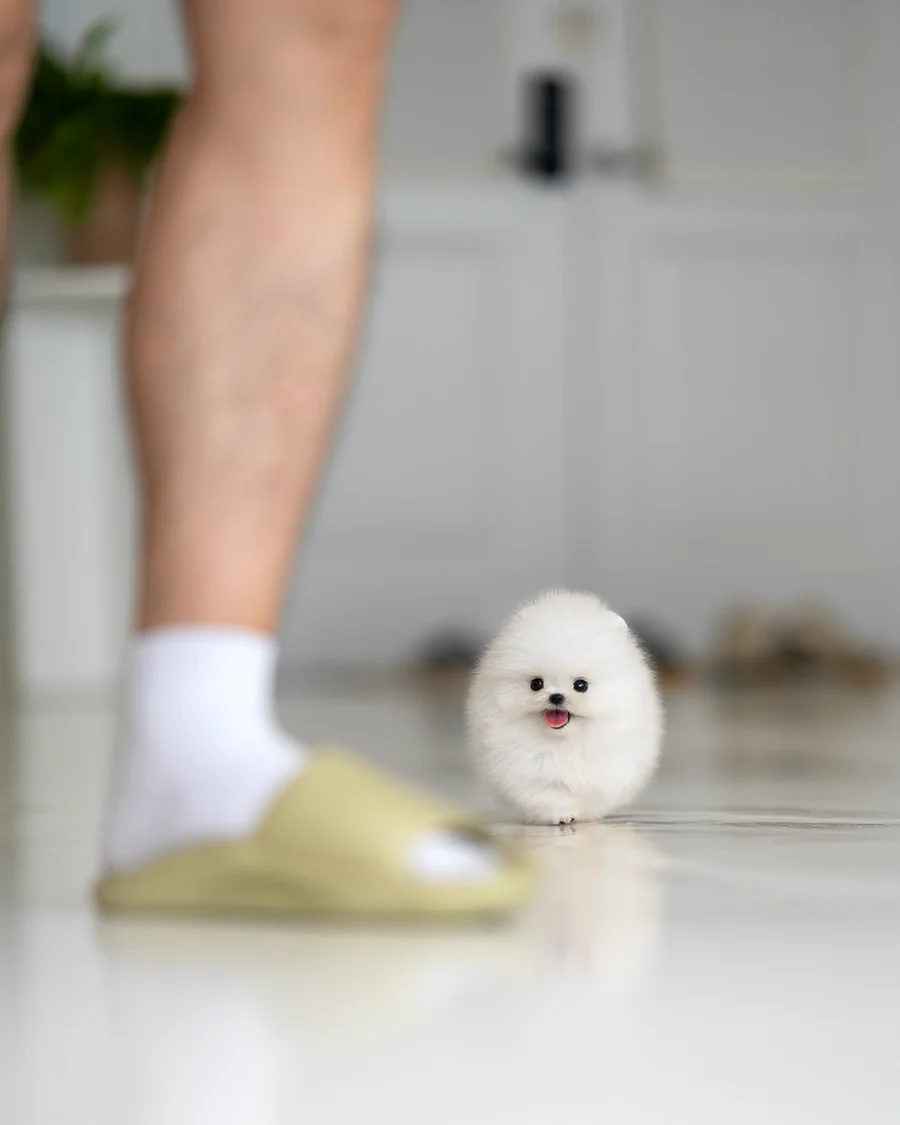
Affectionate Pomeranian Puppy – Molly
Original price was: $1,000.00.$950.00Current price is: $950.00.
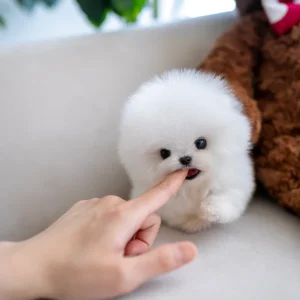
BREED: POMERANIAN
NAME: MOLLY
SEX: FEMALE
COLOR: WHITE
AGE: 3MONTHS
If you want this teacup puppies, please contact us.
You send us a picture of puppy, we will let you know if it is available now and about the puppy.
Pomeranian Puppy Molly: Premium Toy Pomeranian Profile, Breeder Guide, & Pet Care Strategy
A Pomeranian is a small toy dog breed originating from the Pomerania region in North-West Poland and North-East Germany. Descended from larger Arctic Spitz-type sled dogs, Pomeranians are characterized by their compact body structure, dense double coat, wedge-shaped head with erect ears, and high intelligence. Adult Pomeranians typically weigh between 3 and 7 pounds and are renowned for their playful, alert, and loyal temperament.
Comprehensive Profile & Pedigree Breakdown: Pomeranian Molly
                 PHYSICAL TRAITS           HEALTH CHECKPOINTS
             ┌──────────────────────┐   ┌──────────────────────┐
             │ Weight: 1.6 lbs      │   │ Patellas: Grade 0    │
  MOLLY ───► │ Coat: Orange Sable   │ ──┼─► Cardiac: Normal    │
             │ Face: Fox-Type       │   │ DNA: Health Clear    │
             └──────────────────────┘   └──────────────────────┘
Physical Characteristics & Lineage
-
Current Weight: 1.6 lbs at 8 weeks of age.
-
Projected Adult Weight: 4.0 to 5.0 lbs (Standard Toy Pomeranian specification).
-
Coat Type & Coloration: Luxurious double coat featuring an vibrant Orange Sable finish with distinct black tipping on the outer guard hairs and a plush, cream-toned insulating undercoat.
-
Facial Structure: Refined fox-like muzzle with a well-defined stop, dark almond-shaped eyes, and tightly set erect ears.
-
Pedigree: Multi-generational champion line heritage with full registration capability through major national kennel registries.
Veterinary Screenings & Health Clearances
-
Orthopedic Examination: Bilateral stifle joint palpation confirms normal knee placement (Grade 0 Patellar Luxation).
-
Cardiovascular Assessment: Cardiac auscultation verified clean rhythm with no detectable congenital heart murmurs or vascular defects.
-
Preventative Medical Protocol: Complete initial series of core puppy immunizations (Distemper, Adenovirus, Parvovirus, Parainfluenza) and a full broad-spectrum deworming regimen.
-
Permanent Identification: Embedded with a international standard 15-digit microchip registered to a master pet database.
Pomeranian Breed Standards & Toy Dog Comparison Matrix
Temperament, Socialization Needs & Personality
-
High Mental Acuity: Pomeranians are exceptionally quick learners capable of mastering complex trick routines, obedience commands, and agility courses.
-
Watchdog Instincts: Naturally alert and vigilant, Pomeranians readily announce visitors or changes in their environment, making early vocal management training essential.
-
Affectionate Bonding: They form deep, lasting bonds with their immediate human family, thriving on close companionship and structured daily interaction.
-
Adaptable Energy: Their physical exercise demands can be fully met through indoor play sessions combined with moderate daily walks.
Comparative Analysis of Popular Toy Breeds
| Feature | Pomeranian (Molly) | Chihuahua | Maltese | Yorkshire Terrier |
| Average Adult Weight | 3 – 7 lbs | 2 – 6 lbs | 4 – 7 lbs | 4 – 7 lbs |
| Coat Structure | Dense Double Coat | Smooth or Long Single | Silky Single Hair | Fine Silky Double Coat |
| Grooming Frequency | High (3-4x weekly) | Low to Moderate | High (Daily) | High (3-5x weekly) |
| Shedding Profile | Seasonal / Moderate | Low to Moderate | Minimal (Hypoallergenic) | Low |
| Barking Inclination | High (Requires training) | High | Moderate | High |
| Overall Energy Level | High / Playful | Moderate to High | Moderate | High / Terric |
Complete Pomeranian Care, Maintenance & Health Framework
                       Pomeranian Care Framework
                                  │
    ┌─────────────────────────────┼─────────────────────────────┐
    │                             │                             │
    ▼                             ▼                             ▼
Nutrition & Feeding            Grooming Protocol             Behavior & Training
• High-protein kibble          • Line brushing 3x/week       • Crate training
• Caloric control (Hypo)       • Undercoat rake usage        • Vocal control / "Quiet"
• Small-bite kibble size       • Hygiene trim & nail care    • Early socialization
Specialized Toy Breed Nutrition & Hypoglycemia Prevention
-
Scheduled Micro-Meals: Feed 3 to 4 evenly spaced meals per day until 6 months of age to maintain stable blood glucose concentrations.
-
Caloric Density & Kibble Size: Provide a premium toy-breed puppy formula rich in animal protein (chicken, lamb, or salmon) with tailored micro-kibble sizing to accommodate small jaws.
-
Hydration Management: Keep clean, filtered water accessible at all times in shallow non-tip stainless steel bowls or specialized gravity dispensers.
-
Essential Fatty Acid Supplementation: Incorporate wild salmon oil rich in Omega-3 and Omega-6 fatty acids to nurture skin cell integrity and optimize plush coat growth.
Master Coat Care & Grooming Protocols
-
The Line Brushing Method: Part the fur horizontally with one hand and brush small sections from the skin outward using a high-quality pin brush or slicker brush. Never brush a dry coat; apply a light misting of leave-in conditioning spray to prevent static and hair shaft breakage.
-
Undercoat Raking: Utilize an undercoat rake twice weekly during spring and autumn shedding periods to remove trapped dead fur from the insulating undercoat layer without damaging guard hairs.
-
Bathing Hygiene: Bathe every 3 to 4 weeks using a mild, sulfate-free, pH-balanced dog shampoo. Follow with a moisturizing conditioner, then thoroughly blow-dry on a cool setting while fluffing the hair with a brush.
-
Sanitary & Footpad Trimming: Keep the fur around the paw pads, rear hocks, and sanitary region short for sanitation, leaving the main body coat untrimmed to protect natural thermal insulation.
Anatomical Vulnerabilities: Tracheal Collapse & Luxating Patella
-
Tracheal Collapse Safeguards: Always attach walking leashes to a padded chest harness rather than a traditional neck collar. Pulling forces applied to a collar can crush delicate cartilaginous tracheal rings, resulting in a persistent “goose-honk” cough and respiratory distress.
-
Patellar Protection: Prevent joint trauma by installing padded pet stairs or ramps near sofas and beds. Avoid allowing puppies to jump from elevated surfaces onto hard hardwood or tile flooring.
-
Dental Care Regime: Small mouths cause crowded teeth, accelerating tartar accumulation and periodontal disease. Brush teeth daily using enzymatic canine toothpaste and schedule regular professional dental cleanings.
Step-by-Step Onboarding Guide for Bringing Molly Home
┌─────────────────────────────────────────────────────────────────────────┐
│                    Step-by-Step Onboarding Sequence                     │
├─────────────────────────────────────────────────────────────────────────┤
│ STEP 1: Micro-Environment & Safe Zone Setup                             │
│ STEP 2: Crate & Potty Training Protocol                                 │
│ STEP 3: Early Socialization & Desensitization Schedule                  │
│ STEP 4: Long-Term Behavioral & Vocal Control Framework                 │
└─────────────────────────────────────────────────────────────────────────┘
Step 1: Micro-Environment & Safe Zone Setup
Step 2: Crate & Potty Training Protocol
Step 3: Early Socialization & Desensitization Schedule
Step 4: Long-Term Behavioral & Vocal Control Framework
Pros and Cons of Owning a Pomeranian Puppy
Pros
-
Compact & Travel-Friendly: Small physical size makes transportation simple and satisfies housing weight limits.
-
High Intelligence & Trainability: Fast learners that excel in trick training, agility exercises, and obedience commands.
-
Excellent Companion Qualities: Devoted, affectionate family pets that bond closely with their owners.
-
Vibrant Longevity: Healthy Pomeranians enjoy a long life expectancy, often living between 12 and 16 years.
Cons
-
Regular Grooming Required: Demands consistent brushing and professional grooming to prevent coat matting.
-
Tendency to Bark: Require early training to manage alert barking tendencies.
-
Physical Fragility: Need gentle handling and protection from accidental drops or rough play.
-
Sensitivity to Extreme Heat: Dense double coats require air-conditioned environments during hot summer months.
Ethical Sourcing, Breeder Vetting & Housing/Tenancy Guidance
Ethical Breeder Checklist vs. Red Flags
-
Health Documentation: Responsible breeders provide verified genetic test results, cardiac checks, and orthopedic clearances for both parent dogs.
-
Facility Access: Ethical breeders invite you to view their home or nursery environment to see how the puppies are raised and socialized.
-
Health Guarantees: Reputable breeders offer written health contracts that include genetic health coverage and a return policy.
-
Red Flags: Avoid sellers who arrange meetings in public parking lots, fail to show the mother, offer puppies under 8 weeks old, or use marketing buzzwords like “Teacup” to sell undersized dogs at inflated prices.
Renting with a Toy Dog: Landlord Policies & Pet Clauses
-
Pet Agreements: Request a written pet clause in your lease specifying allowed dog breeds, weight limits, and pet deposit terms.
-
Property Protection: Protect flooring and furniture with rugs, playpens, and crate training to prevent damage during the puppy stage.
-
Landlord Communication: For property owners managing rentals or navigating landlord tax and property rules like the UK HMRC Let Property Campaign, maintaining clear pet policies helps protect long-term property value while accommodating responsible tenants.
Frequently Asked Questions (People Also Ask)
How big will Pomeranian Molly grow when fully mature?
How often should I groom a Pomeranian puppy like Molly?
Are Pomeranians good pets for apartments?
What should I feed my Pomeranian puppy to prevent low blood sugar?
How do I train my Pomeranian puppy to stop barking at doors?
Do Pomeranians shed a lot of fur throughout the year?
Be the first to review “Affectionate Pomeranian Puppy – Molly”
Related products
Pomeranian
Pomeranian
Pomeranian
Pomeranian
Pomeranian

Pomeranian
Pomeranian
Pomeranian
Reviews
There are no reviews yet.