
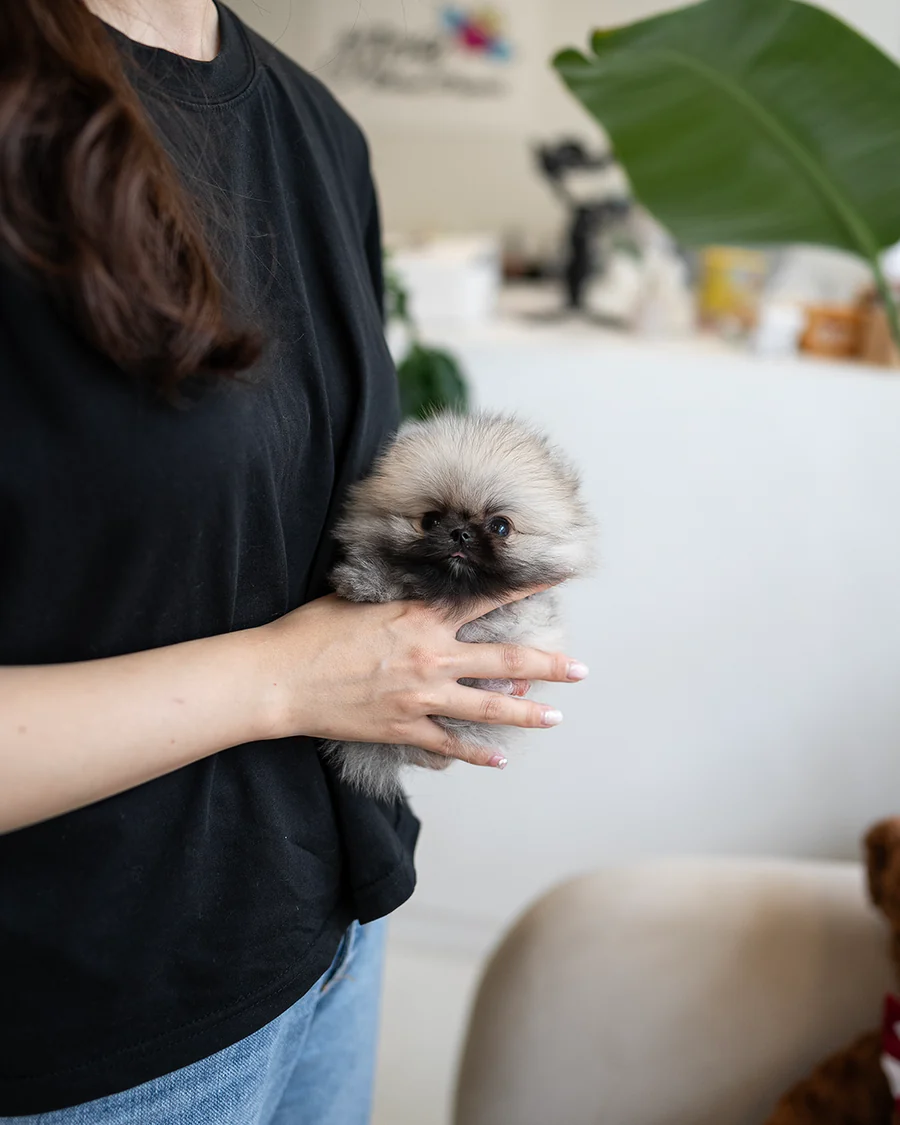
Adorable Pomeranian Puppy – Otis
Original price was: $1,200.00.$1,000.00Current price is: $1,000.00.
BREED: POMERANIAN
NAME: OTIS
SEX: MALE
COLOR: SABLE
AGE: 3MONTHS
If you want this teacup puppies, please contact us.
You send us a picture of puppy, we will let you know if it is available now and about the puppy.
Pomeranian Puppy – Otis | Adorable Pomeranian Puppy for Sale
If you are searching for a Pomeranian Puppy – Otis, you are probably looking for more than a small, fluffy dog. You are looking for a companion with personality, intelligence, charm, and the kind of presence that makes a tiny puppy feel like a much bigger part of the family.
Otis is presented as a lovely Pomeranian puppy for families and individuals who appreciate the breed’s distinctive fluffy coat, expressive face, lively personality, and affectionate companionship. Before purchasing any puppy, it is important to look beyond appearance and consider temperament, health documentation, socialization, grooming requirements, training, and whether a Pomeranian fits your lifestyle.
The Pomeranian is a toy breed known for being lively, inquisitive, and bold. The American Kennel Club lists the breed at approximately 6–7 inches tall and 3–7 pounds, with a typical life expectancy of 12–16 years.
This detailed guide explains what makes Pomeranian Puppy – Otis appealing, what new owners should know about Pomeranian care, and what to consider before bringing a puppy home.
What Is a Pomeranian Puppy?
A Pomeranian puppy is a small, intelligent companion dog recognized for its fluffy double coat, fox-like expression, lively temperament, and affectionate nature. Pomeranians typically weigh around 3–7 pounds as adults and can live 12–16 years. They are active, trainable dogs that require regular grooming, socialization, training, and attentive care.
Meet Pomeranian Puppy – Otis
Pomeranian Puppy – Otis is an appealing choice for someone searching for a compact companion with a big personality.
One of the most distinctive qualities of a Pomeranian is the contrast between its small physical size and confident personality. These dogs may be tiny, but they are often alert, curious, playful, and eager to participate in whatever their family is doing.
That personality is part of the reason Pomeranians have remained popular companion dogs.
Otis can be a wonderful addition to the right home, particularly for someone prepared to give a small dog the attention, training, grooming, and protection it needs.
However, responsible puppy ownership starts with realistic expectations. A Pomeranian should not be treated like a toy simply because of its size. Small dogs can be physically vulnerable, and young puppies require supervision and consistent routines.
Why Choose a Pomeranian Puppy?
There are several reasons people are drawn to Pomeranians:
- Small and convenient companion size
- Distinctive fluffy double coat
- Intelligent and curious personality
- Playful temperament
- Strong attachment to their people
- Suitable for many city and suburban environments
- Can enjoy indoor games as well as walks
- Often enthusiastic about learning tricks
- Alert nature that can make them attentive watchdogs
The AKC describes the Pomeranian as lively, inquisitive, and bold, while also highlighting the breed’s ability to adapt to apartment, city, and suburban lifestyles when properly exercised and cared for.
Pomeranian Puppy – Otis: Personality and Temperament
A puppy’s individual personality is influenced by genetics, early experiences, socialization, training, and environment. Therefore, it is better to avoid promising that every Pomeranian will have exactly the same temperament.
The breed itself, however, is known for being bright, energetic, playful, and highly engaged with its surroundings.
Otis’s future personality will continue developing as he grows and experiences new people, environments, sounds, routines, and training situations.
Affectionate and Companionable
Pomeranians often enjoy being close to their owners. They can be affectionate companions and may happily spend time beside their favorite person after playtime.
This makes the breed particularly appealing to people who want a dog that participates actively in household life.
Intelligent and Curious
Pomeranians are intelligent dogs and generally respond well to positive, consistent training.
They can learn commands, tricks, routines, and household expectations, but owners should remember that intelligence does not automatically mean effortless training.
Consistency matters.
Alert and Vocal
Pomeranians can be very aware of what is happening around them. That alertness can be useful, but it can also contribute to barking if the behavior is not managed appropriately.
Early training can help a puppy learn when barking is appropriate and when it is time to settle down.
Playful and Energetic
Despite their small size, Pomeranians are not simply decorative lap dogs. They enjoy play, exploration, short walks, and mental stimulation.
A few appropriate play sessions throughout the day can help keep a puppy physically active and mentally engaged.
Pomeranian Puppy Size and Appearance
The Pomeranian’s appearance is one of the breed’s biggest attractions.
The breed has a compact body, small ears, expressive eyes, a highly plumed tail, and a distinctive fluffy double coat.
According to the American Kennel Club, adult Pomeranians generally measure around 6–7 inches in height and weigh approximately 3–7 pounds.
Because puppies continue developing after they leave their breeder, an exact adult size should never be guaranteed based solely on puppy appearance.
The Famous Pomeranian Coat
Pomeranians have an abundant double coat consisting of a soft undercoat and an outer coat that contributes to their characteristic fluffy appearance.
That beautiful coat requires maintenance.
Regular brushing helps prevent tangles and mats while keeping the coat looking healthy. The AKC recommends frequent brushing and notes that professional grooming every four to six weeks can be appropriate for owners who prefer professional maintenance.
Grooming Pomeranian Puppy – Otis
One of the biggest mistakes first-time Pomeranian owners can make is underestimating grooming requirements.
That fluffy appearance does not maintain itself.
Step 1: Establish a Brushing Routine
Introduce Otis to gentle brushing from an early age.
Keep sessions short and positive at first. Puppies should gradually learn that grooming is a normal part of life.
Regular brushing helps reduce tangling and allows owners to inspect the skin and coat.
Step 2: Maintain the Nails
Small dogs still need regular nail care.
Overgrown nails can become uncomfortable and may affect normal movement.
If you are not comfortable trimming nails yourself, a professional groomer or veterinary professional can help.
Step 3: Pay Attention to Dental Care
Dental hygiene is particularly important for small dogs.
Introduce tooth brushing gradually and use products designed specifically for dogs. If you are unsure which products are appropriate, ask your veterinarian.
Step 4: Use Professional Grooming When Needed
Professional grooming can make maintaining a Pomeranian’s coat much easier.
The AKC recommends professional grooming approximately every four to six weeks when owners are not comfortable performing the full grooming routine themselves.
Caring for a Pomeranian Puppy
Bringing home Pomeranian Puppy – Otis means accepting responsibility for his daily care.
A good puppy routine should include appropriate nutrition, fresh water, sleep, exercise, training, socialization, grooming, veterinary care, and plenty of safe human interaction.
Nutrition
Puppies have different nutritional requirements from adult dogs.
Choose a complete, balanced puppy food appropriate for a small breed and follow feeding guidance from your veterinarian and the food manufacturer.
Avoid assuming that more food means faster or healthier growth.
Portion control matters because excessive weight can place unnecessary stress on a small dog’s body.
The AKC recommends a diet appropriate to the dog’s life stage and advises owners to monitor calorie intake and body condition.
Fresh Water
Clean, fresh water should always be available.
This is a simple part of puppy care, but it is essential.
Sleep
Young puppies need considerable sleep as they grow and develop.
Do not expect a puppy to remain active throughout the day. A comfortable, quiet sleeping area gives Otis a safe place to rest between play and training sessions.
Exercise Needs of a Pomeranian Puppy
Pomeranians may be small, but they benefit from regular activity.
The goal is not to exhaust a puppy. Instead, provide age-appropriate opportunities for movement, exploration, and play.
Short walks, supervised indoor play, simple games, and gentle training exercises can provide useful physical and mental stimulation.
The AKC notes that Pomeranians can receive exercise through walks and play and can adapt well to city or suburban living.
Safety Matters
Because Pomeranians are small, owners need to be particularly careful around larger dogs, elevated furniture, stairs, and situations where a puppy could be dropped or stepped on.
The AKC specifically warns that jumping from furniture can cause serious injury and recommends preventing Pomeranians from repeatedly jumping on and off couches or beds.
A secure environment is therefore just as important as exercise.
Training Pomeranian Puppy – Otis
Training should begin early.
Pomeranians are intelligent, but they can also be independent. A consistent approach based on positive reinforcement is generally more productive than harsh correction.
Basic Training Priorities
Start with:
- Name recognition
- Recall
- Leash training
- Toilet training
- Sit and stay
- Gentle handling
- Appropriate chewing
- Calm behavior
- Socialization
- Household boundaries
Toilet training can take patience with small breeds. Consistency is more important than punishment.
The AKC specifically recommends early leash training and teaching Pomeranians to come when called, while noting that housetraining can sometimes be challenging.
Socialization: An Important Part of Raising Otis
Socialization is not simply making a puppy meet as many people as possible.
It means gradually introducing a puppy to appropriate experiences in a safe and positive manner.
Depending on veterinary guidance, this can include exposure to:
- Different household sounds
- Various surfaces
- Gentle handling
- Friendly, appropriate dogs
- Different people
- Car journeys
- Grooming routines
- Veterinary handling
- Household routines
- New environments
A well-socialized puppy has more opportunities to develop confidence and learn how to respond appropriately to unfamiliar experiences.
The AKC recommends early socialization and puppy training classes for Pomeranians.
Pomeranian Puppy – Otis: Pros and Cons
Before purchasing any puppy, it is worth considering both the advantages and responsibilities.
Pros
- Small companion suitable for many homes
- Highly distinctive appearance
- Intelligent and capable of learning tricks
- Playful and engaging personality
- Generally adaptable to city and suburban living
- Does not require long-distance exercise
- Can form strong bonds with owners
- Entertaining and expressive personality
Cons
- Requires regular grooming
- Can be vocal without appropriate training
- Small size makes accidental injuries a concern
- Toilet training may require patience
- Needs regular socialization and mental stimulation
- Coat maintenance takes time
- Not ideal for rough handling or unsupervised interaction with young children
The AKC notes that Pomeranians can be good family companions but are generally better suited to families with older children who understand how to handle a very small dog safely.
Pomeranian Health and Responsible Puppy Buying
Health should be one of the most important considerations when choosing a Pomeranian puppy.
No responsible breeder can honestly guarantee that a puppy will never experience a health problem. However, responsible breeding and appropriate health screening can help reduce certain risks.
The AKC identifies health concerns that can occur in Pomeranians, including luxating patellas, hypothyroidism, collapsing trachea, congestive heart failure, seizures, and alopecia X. It also identifies recommended breed-club screening that includes patella evaluation, cardiac examination, and ophthalmologist evaluation.
Questions to Ask Before Buying Otis
Before completing a puppy purchase, prospective owners should ask for appropriate documentation and information, including:
- Puppy vaccination records
- Veterinary examination information
- Deworming records
- Microchip information, where applicable
- Parents’ health-screening information
- Details about the puppy’s diet
- Information about socialization
- Contract or purchase documentation
- Breeder contact information
- Any available registration documentation
Do not rely solely on photographs.
A responsible puppy purchase should involve transparency about the puppy’s age, health history, parents, care, and documentation.
Is a Pomeranian Right for You?
A Pomeranian can be an excellent companion, but the breed is not automatically right for everyone.
Consider a Pomeranian if you want:
- A small companion dog
- An affectionate household companion
- A playful and intelligent dog
- A dog that can enjoy shorter walks and indoor play
- A breed with a distinctive fluffy appearance
- A dog you are willing to groom regularly
Think carefully if you:
- Want a completely quiet dog
- Do not have time for grooming
- Expect effortless toilet training
- Have very young children who cannot safely handle a tiny dog
- Want a dog that can tolerate rough physical play
- Are unwilling to provide regular training and socialization
The right puppy is not simply the cutest puppy. The right puppy is one whose needs fit your lifestyle.
Pomeranian vs. Other Small Companion Dogs
Pomeranians are sometimes compared with other toy breeds because of their size.
The major distinction is that the Pomeranian combines a very small body with a confident, alert, energetic personality and a substantial double coat.
If your priority is a fluffy appearance and lively personality, the Pomeranian may be a strong match.
If your priority is extremely low grooming, however, the breed may require more commitment than you expect.
This is why researching the breed before purchasing is more valuable than choosing solely based on photographs.
Step-by-Step: Preparing Your Home for Otis
Before bringing Pomeranian Puppy – Otis home, prepare the environment.
1. Create a Safe Sleeping Area
Give Otis a comfortable space away from hazards and excessive household traffic.
2. Puppy-Proof the Home
Secure electrical cords, small objects, toxic substances, and anything a curious puppy might chew.
3. Prepare Food and Water Bowls
Use appropriately sized bowls and establish a consistent feeding routine.
4. Buy Grooming Supplies
Have a suitable brush and basic grooming supplies ready before the puppy arrives.
5. Prepare Identification
Make sure appropriate identification and microchip arrangements are handled where applicable.
6. Schedule Veterinary Care
Arrange veterinary follow-up according to the puppy’s health records and vaccination schedule.
7. Establish a Routine
Puppies benefit from predictable routines covering feeding, sleep, toilet breaks, play, training, and rest.
Why Otis Could Be a Wonderful Companion
The appeal of Pomeranian Puppy – Otis goes beyond his small size.
Pomeranians are known for their expressive personalities and ability to become deeply involved in family life. They can be playful when you want to play, attentive when something catches their interest, and affectionate when it is time to relax.
They also tend to make their presence known.
That combination of confidence, intelligence, and compact size has helped establish the Pomeranian as one of the best-known toy breeds.
The breed’s history is equally interesting. Pomeranians are part of the Spitz family and descend from larger Spitz-type dogs. The breed takes its name from Pomerania, a historical region associated with modern-day Poland and Germany.
A Responsible Approach to Buying a Pomeranian Puppy
If you are considering purchasing Otis, take your time.
A puppy is a long-term commitment, not an impulse purchase.
The American Kennel Club recommends prospective buyers look for appropriate health information and encourages buyers to review health-screening results from a puppy’s parents when available.
Ask questions. Review documentation. Understand what is included with the puppy. Make sure the puppy’s age and health information are clearly communicated.
Most importantly, make sure you are prepared for the responsibilities that continue long after the initial purchase.
Final Thoughts on Pomeranian Puppy – Otis
Pomeranian Puppy – Otis is an appealing choice for anyone searching for a small, intelligent, fluffy companion with a lively personality.
The Pomeranian combines a compact size with an enormous personality. With appropriate grooming, nutrition, veterinary care, exercise, training, socialization, and supervision, a Pomeranian can become a rewarding household companion for many years.
But the best puppy purchase is an informed one.
Before bringing Otis home, make sure you understand the breed’s grooming requirements, training needs, potential health concerns, and safety considerations. Verify the puppy’s documentation and ask meaningful questions rather than making a decision based solely on appearance.
For additional breed information, prospective owners can consult Wikipedia overview of the Pomeranian dog. The AKC provides information on breed characteristics, grooming, exercise, training, nutrition, and recommended health screening.
If Otis’s personality and care requirements match your household, he could become much more than a beautiful puppy listing—he could become a loyal little companion and an important part of your family.
Frequently Asked Questions About Pomeranian Puppy – Otis
1. How big will a Pomeranian puppy become?
Adult Pomeranians are generally around 6–7 inches tall and weigh approximately 3–7 pounds according to the American Kennel Club. Individual adult size can vary, so puppy size should not be treated as an exact prediction of adult weight.
2. Are Pomeranians good family dogs?
Pomeranians can make affectionate family companions, particularly in homes where people understand how to handle a very small dog. They are generally better suited to families with older children who can interact with them safely and respectfully.
3. How often does a Pomeranian need grooming?
Pomeranians require regular brushing because of their abundant double coat. The AKC recommends frequent brushing and suggests professional grooming approximately every four to six weeks when owners are not comfortable handling the complete grooming routine themselves.
4. Are Pomeranians easy to train?
Pomeranians are intelligent and can learn commands and tricks, but consistent training is important. Positive reinforcement, patience, early socialization, leash training, and a predictable routine can make training more effective. Housetraining may require additional patience.
5. How much exercise does a Pomeranian need?
Pomeranians benefit from regular age-appropriate exercise, including short walks and play sessions. Because of their small size, exercise should focus on safe movement and mental stimulation rather than excessive physical exertion.
6. Are Pomeranians healthy dogs?
Pomeranians can be healthy dogs, but like every breed, they can be susceptible to certain health problems. The AKC identifies conditions including patellar problems, cardiac issues, collapsing trachea, seizures, hypothyroidism, and alopecia X among concerns to discuss with a veterinarian and breeder.
7. What should I check before buying Pomeranian Puppy – Otis?
Before purchasing, verify Otis’s age, veterinary records, vaccination and deworming information, identification details where applicable, parent health-screening information, and the terms of the purchase. A responsible seller should be transparent about the puppy’s health and history rather than relying only on attractive photographs.
Be the first to review “Adorable Pomeranian Puppy – Otis”
Related products
Pomeranian
Pomeranian
Pomeranian
Pomeranian
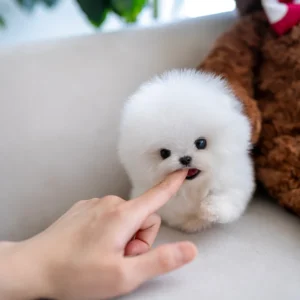
Pomeranian
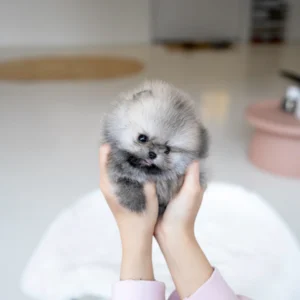
Pomeranian
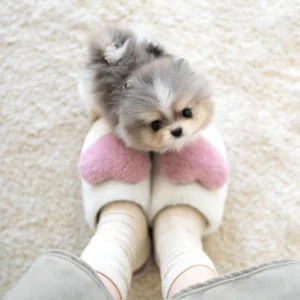
Pomeranian
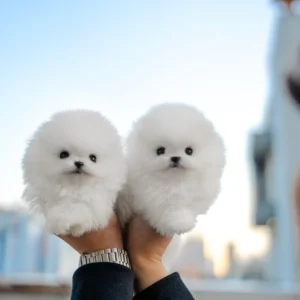
Pomeranian
Reviews
There are no reviews yet.