
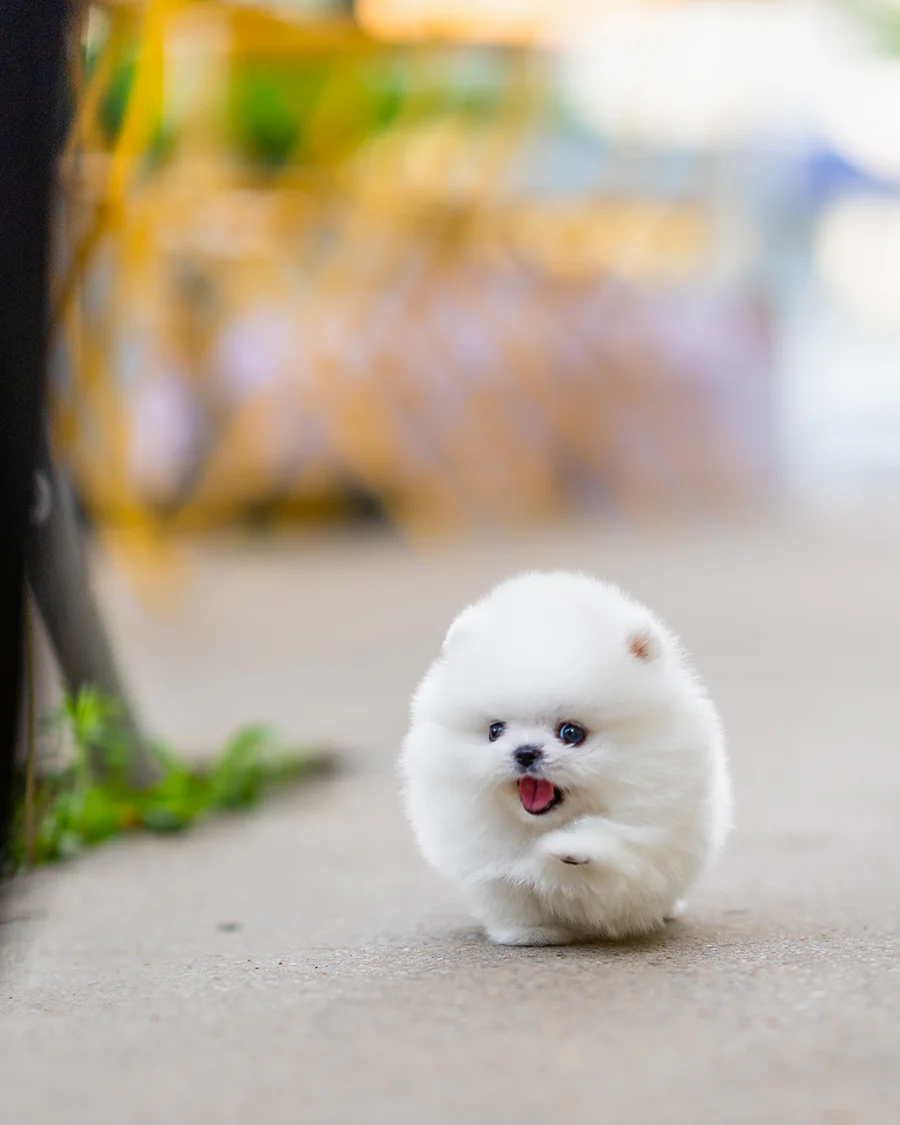
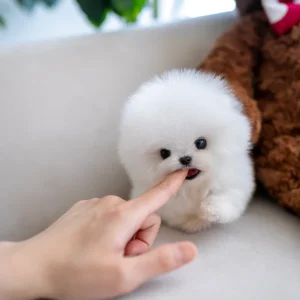
Pomeranian Puppy – Ray

Original price was: $1,200.00.$1,000.00Current price is: $1,000.00.
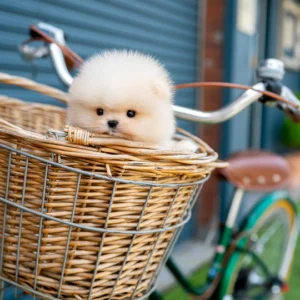
BREED: POMERANIAN
NAME: RAY
SEX: MALE
COLOR: WHITE
AGE: 3MONTHS
If you want this teacup puppies, please contact us.
You send us a picture of puppy, we will let you know if it is available now and about the puppy.
Pomeranian Puppy – Ray | Adorable Fluffy Pomeranian Puppy for Sale
Searching for the right Pomeranian puppy for sale means looking beyond an adorable photograph. A responsible puppy purchase should consider temperament, breed characteristics, grooming requirements, training, nutrition, exercise, health information, and whether the puppy’s needs fit your household.
Pomeranian Puppy – Ray is an appealing choice for anyone looking for a small companion dog with the distinctive fluffy appearance, lively personality, intelligence, and confident character associated with the Pomeranian breed.
Pomeranians are members of the Toy Group and are recognized for their compact bodies, abundant double coats, expressive faces, and surprisingly bold personalities. The American Kennel Club (AKC) describes the Pomeranian as lively, inquisitive, and bold. Adult Pomeranians typically stand around 6–7 inches tall and weigh approximately 3–7 pounds. The breed’s typical life expectancy is 12–16 years.
This guide explains what prospective owners should know about Pomeranian Puppy – Ray, including personality, appearance, grooming, nutrition, exercise, training, socialization, health considerations, and responsible puppy ownership.
Primary search intent: Commercial and transactional. Someone searching specifically for “Pomeranian Puppy – Ray” is likely evaluating a puppy and wants practical information that can help determine whether Ray and the Pomeranian breed are suitable for their home.
Featured Snippet: What Is Pomeranian Puppy – Ray?
Pomeranian Puppy – Ray is a Pomeranian companion puppy known for the breed’s small size, fluffy double coat, lively temperament, intelligence, and confident personality. Pomeranians typically weigh about 3–7 pounds as adults and can live 12–16 years with responsible nutrition, grooming, training, veterinary care, exercise, and socialization.
Meet Pomeranian Puppy – Ray
There is something distinctive about a Pomeranian.
Despite its tiny frame, the breed often carries itself with the confidence of a much larger dog. Pomeranians can be curious, energetic, alert, affectionate, and highly engaged with their owners.
That makes Pomeranian Puppy – Ray an appealing option for people who want a compact dog with a genuinely interactive personality.
Ray’s individual temperament will develop through genetics, early experiences, socialization, training, and environment. A responsible description should therefore avoid claiming that every puppy will have exactly the same personality.
What can be said with confidence is that Pomeranians as a breed are known for being intelligent, lively, inquisitive, and bold.
If Ray becomes part of your household, he should be treated as a real companion with daily needs—not simply as a small, fluffy pet.
Why Choose a Pomeranian Puppy?
The Pomeranian’s popularity is understandable.
The breed combines a very small physical size with a substantial personality and a highly recognizable appearance.
Compact Companion Size
Adult Pomeranians typically weigh around 3–7 pounds and stand approximately 6–7 inches tall.
This compact size can make a Pomeranian practical for many homes.
However, small size does not mean low responsibility.
A tiny dog can still require extensive grooming, training, veterinary attention, exercise, socialization, and protection from household hazards.
Intelligent and Curious
Pomeranians are intelligent dogs that can learn commands, tricks, routines, and games.
They tend to benefit from short, positive training sessions that keep their attention engaged.
Mental stimulation is especially important because a bored, intelligent dog can find its own entertainment—and that may involve barking or chewing things it should not.
Lively Personality
Pomeranians are not typically passive dogs.
They can be playful, energetic, and interested in what is happening around them.
Ray may enjoy interactive toys, short walks, training games, and spending time with his family.
Strong Companion Potential
Pomeranians often enjoy being involved in household activities.
They can become closely attached to their owners and may want to follow their favorite person around the house.
For someone looking for an interactive small-breed companion, this can be one of the breed’s strongest advantages.
Pomeranian Puppy – Ray Appearance and Coat
The Pomeranian’s appearance is one of its defining characteristics.
The breed has a compact body, upright ears, expressive eyes, a plumed tail, and an abundant double coat.
The AKC breed standard describes the Pomeranian as having a short, tight undercoat combined with a longer outer coat that contributes to the breed’s characteristic fluffy appearance and neck ruff.
Pomeranian Size
Adult size should always be discussed realistically.
Although breed standards provide useful guidelines, individual puppies can differ.
Ray’s eventual adult size should therefore not be promised solely based on his current puppy size or the size of his parents.
Pomeranian Coat
The famous Pomeranian coat is beautiful, but it requires maintenance.
Owners should expect regular brushing and periodic professional grooming.
If you are attracted to Ray because of his fluffy appearance, understand that maintaining that appearance is part of the commitment.
Grooming Pomeranian Puppy – Ray
Grooming should be considered before bringing Ray home.
A neglected Pomeranian coat can become tangled and matted, which can make grooming uncomfortable and potentially affect the skin.
Regular Brushing
The AKC recommends regular brushing, including brushing down to the skin, to help prevent mats.
For Ray, grooming should be introduced gradually.
Young puppies need to learn that brushing, touching their paws, checking their ears, and handling their bodies are normal experiences.
Keep early sessions short and positive.
Professional Grooming
Professional grooming can make maintaining a Pomeranian significantly easier.
The AKC recommends professional grooming approximately every four to six weeks for owners who are not comfortable managing the complete grooming routine themselves.
Nail Care
Ray’s nails should be checked regularly.
Overgrown nails can become uncomfortable and may affect movement.
If you are unsure how to trim them safely, ask your veterinarian or a qualified professional groomer for guidance.
Dental Hygiene
Dental care should also become part of Ray’s routine.
Small dogs can require careful attention to oral hygiene, so introduce dental care gradually and ask your veterinarian about appropriate toothbrushes, toothpaste, dental products, and professional examinations.
Pomeranian Puppy – Ray Temperament and Personality
One of the most important considerations when buying a puppy is temperament.
Breed descriptions can provide useful expectations, but they cannot predict every individual dog’s personality.
Ray’s temperament will be influenced by genetics and the environment in which he grows.
Nevertheless, the Pomeranian breed is widely recognized for several characteristics.
Confident
Pomeranians can be surprisingly confident for their size.
They may approach unfamiliar situations with curiosity rather than hesitation.
That confidence needs to be balanced with good socialization and training.
Alert
Pomeranians are often very aware of their surroundings.
This can make them excellent little watchdogs, but it can also contribute to barking.
Training Ray to distinguish between normal household sounds and genuine reasons for concern can help prevent unnecessary vocalization.
Playful
Pomeranians enjoy play.
Interactive toys, training games, short walks, and supervised activities can provide both physical and mental stimulation.
Affectionate
Many Pomeranians enjoy close relationships with their owners.
Ray may enjoy sitting beside his family after playtime or following people around the home.
However, owners should also encourage independent settling so that the puppy learns to relax without constant attention.
Training Pomeranian Puppy – Ray
A small dog still needs training.
In fact, training can be particularly important for Pomeranians because their intelligence, confidence, and alertness can become difficult to manage if appropriate boundaries are not established.
The AKC recommends early socialization and puppy training classes and emphasizes positive reinforcement. (
Start With Basic Commands
Begin with simple behaviors such as:
- Responding to his name
- Sit
- Stay
- Come
- Leave it
- Drop it
- Walking calmly on a leash
- Settling quietly
- Appropriate chewing
Training sessions should be short.
A puppy’s attention span is limited, so several short sessions can be more productive than one long session.
House Training
House training requires consistency.
The AKC notes that housetraining can sometimes be challenging with Pomeranians.
Create a predictable schedule for:
- Waking
- Feeding
- Playing
- Toilet breaks
- Sleeping
Reward appropriate toilet behavior immediately.
Avoid punishment for accidents.
Punishment can create fear without teaching the puppy what you actually want.
Socialization for Pomeranian Puppy – Ray
Early socialization can have a major influence on how a puppy responds to unfamiliar situations.
The goal is not to expose Ray to everything at once.
Instead, introduce experiences gradually.
Appropriate socialization can include exposure to:
- Different people
- Household sounds
- Different surfaces
- Car journeys
- Grooming
- Veterinary handling
- Friendly, appropriately vaccinated dogs
- New environments
- Household routines
- Gentle handling
Positive experiences help puppies learn how to process new situations.
The AKC recommends early socialization and puppy training classes for Pomeranians.
Exercise Requirements for Pomeranian Puppy – Ray
Pomeranians are small, but they are not completely inactive.
Ray will need age-appropriate physical activity and mental stimulation.
Short walks and interactive play can be useful.
The AKC notes that Pomeranians can receive exercise through walking and play and can adapt to city and suburban environments.
Don’t Overdo Puppy Exercise
Puppies are still developing.
Exercise should be age-appropriate and adjusted according to veterinary advice.
Do not attempt to turn a young Pomeranian into an endurance athlete.
Instead, focus on:
- Short walks
- Gentle play
- Training
- Sniffing and exploration
- Puzzle toys
- Controlled indoor games
Mental stimulation can be just as valuable as physical activity.
Pomeranian Puppy Safety
Ray’s small size means safety deserves special attention.
A Pomeranian can be vulnerable to accidental injuries that might not seriously affect a larger dog.
The AKC specifically cautions against allowing Pomeranians to repeatedly jump from furniture because falls can result in serious injuries.
Protect Ray From:
- High beds and sofas
- Open staircases
- Larger dogs
- Unsecured doors
- Balconies
- Small objects
- Electrical cords
- Toxic household substances
- Unsafe outdoor areas
Outdoor supervision is particularly important.
Pomeranians can escape through surprisingly small openings, according to the AKC.
Feeding Pomeranian Puppy – Ray
Nutrition is another major part of responsible puppy ownership.
Choose a complete and balanced puppy food appropriate for Ray’s age and size.
Feeding requirements can change as a puppy grows, so monitor his body condition and follow veterinary guidance.
The AKC recommends high-quality food appropriate to the dog’s life stage and emphasizes monitoring calorie intake and weight.
Feeding Tips
- Follow appropriate puppy feeding guidance.
- Avoid excessive treats.
- Keep fresh water available.
- Monitor body condition.
- Avoid sudden diet changes.
- Discuss nutritional concerns with your veterinarian.
Do not assume that feeding more food will make Ray healthier or cause him to grow better.
Healthy development depends on balanced nutrition, genetics, veterinary care, activity, and appropriate growth.
Pomeranian Health Information
Responsible puppy buying includes asking questions about health.
No breeder or seller should guarantee that a puppy will never develop a medical condition.
Every dog can experience health problems.
The AKC identifies several health concerns associated with Pomeranians, including:
- Luxating patella
- Hypothyroidism
- Collapsing trachea
- Congestive heart failure
- Seizures
- Alopecia X
The AKC also identifies patella evaluation, cardiac examination, and ophthalmologist evaluation among recommended health screening considerations for the breed.
The American Pomeranian Club also provides breed-specific health information for prospective owners.
What Should You Ask Before Buying Ray?
A prospective buyer should ask for appropriate documentation, including:
- Veterinary records
- Vaccination information
- Deworming records
- Microchip information where applicable
- Parent health-testing information
- Feeding instructions
- Puppy care information
- Purchase agreement
- Identification details
Do not be afraid to ask questions.
A responsible purchase should involve transparency.
Pros and Cons of Pomeranian Puppy – Ray
Understanding the advantages and disadvantages of the breed can help you decide whether Ray fits your lifestyle.
Pros
- Very small companion size
- Attractive fluffy coat
- Intelligent
- Playful
- Lively
- Affectionate
- Highly expressive
- Can adapt to smaller homes
- Can learn tricks and obedience
- Does not require the exercise demands of large breeds
Cons
- Requires regular grooming
- Can become vocal
- Small size makes accidental injury a concern
- House training may take patience
- Needs mental stimulation
- Requires appropriate socialization
- May not be suitable for rough play
- Owners must carefully manage interactions with larger animals
The Pomeranian is therefore best suited to owners who appreciate a small dog but are willing to put genuine effort into training and care.
Is Pomeranian Puppy – Ray Right for You?
Ray may be a strong match if you want a small companion that is:
- Lively
- Intelligent
- Playful
- Affectionate
- Compact
- Highly interactive
- Visually distinctive
A Pomeranian can fit many lifestyles, but prospective owners should be realistic about grooming and training.
Ray May Be a Good Fit If You:
- Have time for daily interaction
- Are comfortable with regular grooming
- Want a small companion dog
- Can provide safe exercise
- Are willing to train consistently
- Understand the needs of toy breeds
- Can protect a small puppy from household hazards
Think Carefully If You:
- Want a completely quiet dog
- Dislike grooming
- Expect effortless house training
- Have children who cannot safely handle a tiny dog
- Want a dog for strenuous physical activities
- Cannot provide consistent attention
The best puppy is not simply the puppy that looks most appealing.
It is the puppy whose needs fit the owner’s lifestyle.
Pomeranian Puppy Comparison: What Makes the Breed Different?
Pomeranians are often compared with other small companion breeds.
Their biggest distinction is the combination of a very small body, abundant double coat, confident personality, and high level of engagement with their owners.
| Characteristic | Pomeranian |
|---|---|
| Breed group | Toy |
| Typical adult weight | 3–7 pounds |
| Typical adult height | 6–7 inches |
| Coat | Abundant double coat |
| Personality | Lively, curious, bold |
| Exercise | Walks and play |
| Grooming | Regular brushing |
| Training | Intelligent but requires consistency |
| Typical lifespan | 12–16 years |
These are breed-level guidelines rather than guarantees about Ray’s individual adult size, temperament, health, or lifespan.
Step-by-Step Guide to Preparing for Ray
Before bringing Pomeranian Puppy – Ray into your home, preparation can make the transition easier.
Step 1: Create a Safe Sleeping Area
Provide Ray with a comfortable, quiet place to sleep and relax.
Step 2: Puppy-Proof Your Home
Remove small objects, secure electrical cords, restrict access to unsafe areas, and eliminate household hazards.
Step 3: Prepare Food and Water
Have appropriate puppy food and clean drinking water ready.
Step 4: Buy Grooming Supplies
Purchase a suitable brush and introduce grooming gradually.
Step 5: Arrange Veterinary Care
Review Ray’s existing veterinary records and schedule follow-up care as recommended by your veterinarian.
Step 6: Establish a Routine
Create predictable times for feeding, toilet breaks, exercise, training, play, and sleep.
Step 7: Begin Socialization
Introduce Ray gradually to safe and positive experiences.
Step 8: Start Training
Use positive reinforcement and short, consistent training sessions.
The History Behind the Pomeranian Breed
The Pomeranian has a fascinating history.
Modern Pomeranians are descendants of larger Spitz-type dogs and are associated historically with the Pomerania region of Central Europe.
The breed was developed into the much smaller companion dog recognized today. (Wikipedia)
Their evolution helps explain the contrast between their small bodies and confident personalities.
They may look like miniature luxury companions, but their ancestry is rooted in Spitz-type working dogs.
That heritage is part of why a Pomeranian can be surprisingly alert, energetic, and confident.
Responsible Buying: What to Check Before Purchasing Ray
Buying a puppy should involve more than reviewing photographs.
Before purchasing Pomeranian Puppy – Ray, prospective owners should consider:
Health Transparency
Ask about veterinary records and available health screening.
Puppy Information
Confirm the puppy’s age, identification, vaccination status, deworming history, and current diet.
Parent Information
Where appropriate, ask about the parents’ health and available screening results.
Care Instructions
Ask what food Ray is currently eating and what routine he has been following.
Purchase Documentation
Make sure the terms of the purchase are clear before completing the transaction.
Long-Term Commitment
Remember that a Pomeranian may live for 12–16 years.
This is a long-term commitment rather than a short-term purchase.
Why Pomeranian Puppy – Ray Could Be a Wonderful Companion
The appeal of Pomeranian Puppy – Ray goes beyond his appearance.
Pomeranians have a unique combination of intelligence, confidence, energy, and affection.
They can learn tricks.
They can entertain themselves with appropriate toys.
They can enjoy short walks.
They can relax beside their owners.
And they often have enough personality to make themselves impossible to ignore.
That is the Pomeranian advantage.
You are not simply getting a small dog.
You are getting a compact companion with a surprisingly large personality.
Final Thoughts on Pomeranian Puppy – Ray
Pomeranian Puppy – Ray is an appealing choice for anyone searching for a small, fluffy, intelligent, and lively companion.
The Pomeranian’s compact size makes the breed practical for many households, while its distinctive coat and confident personality make it one of the most recognizable Toy breeds.
However, responsible ownership requires more than loving the appearance.
Ray will need regular grooming, balanced nutrition, veterinary care, appropriate exercise, positive training, early socialization, and protection from hazards that can be particularly dangerous to a tiny dog.
If Ray’s needs align with your lifestyle, welcoming him home can be the beginning of a rewarding long-term relationship with a remarkably expressive little companion.
Frequently Asked Questions About Pomeranian Puppy – Ray
1. How big will Pomeranian Puppy – Ray get?
Adult Pomeranians generally stand approximately 6–7 inches tall and weigh around 3–7 pounds. Individual dogs can vary, so Ray’s exact adult size cannot be guaranteed based solely on his current puppy size.
2. Is Pomeranian Puppy – Ray good for apartment living?
Yes. Pomeranians can adapt well to apartment and city living because they are small and can receive exercise through walks and indoor play. However, they still need daily activity, mental stimulation, training, and appropriate socialization.
3. How often should Ray be groomed?
Pomeranians need regular brushing to maintain their double coat and help prevent mats. The AKC recommends regular brushing and notes that professional grooming approximately every four to six weeks can be helpful for owners who are not comfortable handling the full grooming routine.
4. Are Pomeranians easy to train?
Pomeranians are intelligent and capable of learning commands and tricks, but they benefit from consistent, positive training. House training may take patience, and early socialization is important.
5. Are Pomeranians good family pets?
Pomeranians can make affectionate family companions, but their tiny size means they need careful handling. The AKC suggests that they are generally better suited to families with older children who understand how to interact safely with a very small dog.
6. What should I check before buying Pomeranian Puppy – Ray?
Ask for appropriate veterinary records, vaccination and deworming information, identification details where applicable, parent health-screening information, feeding instructions, and purchase documentation. Buyers should also understand the puppy’s current routine and care requirements.
7. How long do Pomeranians live?
The American Kennel Club lists the typical Pomeranian life expectancy as approximately 12–16 years. Individual lifespan depends on genetics, healthcare, nutrition, lifestyle, and other factors.
Be the first to review “Pomeranian Puppy – Ray”
Related products
Pomeranian
Pomeranian
Pomeranian
Pomeranian
Pomeranian
Pomeranian

Pomeranian
Pomeranian
Reviews
There are no reviews yet.